Funding Wetland Restoration Projects Explained

In navigating the world of wetland restoration, understanding the financial landscape is paramount. From mastering the costs involved to uncovering diverse funding opportunities, this knowledge can significantly enhance project success. Here are the key insights from our exploration.
What You Will Learn
- Recognize the importance of assessing project size and complexity to accurately budget for wetland restoration efforts.
- Understand the cost structures associated with different restoration types, ranging from simple to complex projects.
- Conduct a cost-benefit analysis to highlight the ecological, economic, and social value of wetland restoration.
- Explore various funding sources, including federal grants, EPA programs, and innovative financing options like Environmental Impact Bonds.
- Identify collaborative opportunities with nonprofits and land trusts to enhance project funding and community engagement.
- Utilize practical steps for grant applications, including researching eligibility and preparing documentation for funding success.
Wetland Restoration Project Costs and Funding Overview
Understanding the financial aspects of wetland restoration, including costs per acre and major funding sources, is crucial for successful project planning and execution.
Wetland Restoration Costs per Acre
Major Funding Sources
Federal Grant Programs
NAWCA, EPA grants for ecosystem services.
Alternative Mechanisms
Environmental Impact Bonds (EIBs), CWSRF.
USDA Programs
Wetlands Reserve Program (WRP) cost-share & easements.
Nonprofit & Land Trusts
Collaborative funding and shared expertise.
Understanding the Financial Landscape of Wetland Restoration Projects
When embarking on a wetland restoration project, understanding the financial landscape is crucial. This includes grasping both the costs involved and the various funding sources available. Without a clear picture of these financial aspects, successful restoration can become an overwhelming challenge. As someone deeply immersed in this field, I can tell you that adequate planning and financial literacy can significantly enhance the likelihood of project success.
The importance of comprehending costs cannot be overstated. Every project is unique, with different needs depending on the scale and complexity of the restoration. This understanding will not only help in budgeting but also in identifying potential funding sources that align with specific project requirements.
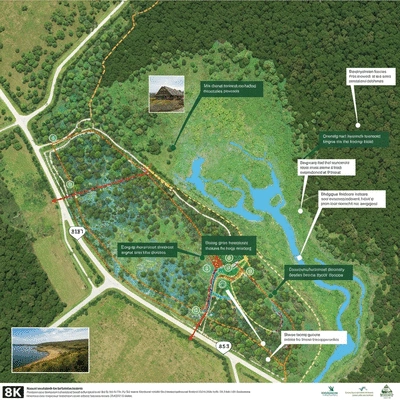
Key Considerations for Cost and Funding Options in Wetland Restoration
When considering wetland restoration, it's essential to take into account several key factors that influence both costs and funding options:
- Project Size: Larger projects often require more resources and funding.
- Complexity of Restoration: More complex projects, like those involving invasive species removal, may increase costs.
- Location: Geographic factors can impact costs, particularly in remote areas.
- Regulatory Requirements: Compliance with environmental regulations can incur additional costs.
In my experience with Wetland Restoration, addressing these considerations early on can set the foundation for a successful venture. Understanding these factors not only aids in financial planning but also informs where to seek funding.
Breaking Down Wetland Restoration Costs per Acre
The costs associated with wetland restoration can vary widely depending on the project's complexity. Here’s a breakdown:
- Simple Restoration: Typically ranges from $2,000 to $5,000 per acre. This might involve basic planting and minimal site preparation.
- Moderate Restoration: Costs can range from $5,000 to $15,000 per acre. This often includes the removal of invasive species and enhanced soil stabilization.
- Complex Restoration: These projects can exceed $15,000 per acre. They may include detailed hydrological studies, advanced engineering solutions, and extensive long-term monitoring.
Understanding this cost structure equips potential project leaders with the information they need to secure funding and plan accordingly. It’s a critical step in ensuring that financial resources align with project demands.
Evaluating the Cost-Benefit Analysis for Wetland Restoration
Conducting a thorough cost-benefit analysis is vital for guiding funding decisions. This approach helps to illustrate the value that wetland restoration brings, not just economically but also ecologically. Here are some points to consider:
- Ecological Benefits: Restored wetlands can improve biodiversity and enhance water quality.
- Economic Gains: Healthy wetlands provide flood protection, recreational opportunities, and improved property values.
- Social Impact: Restoration projects often foster community engagement and education, which can lead to stronger local support.
By evaluating these factors, project leaders can make informed decisions on funding strategies. This analysis is essential for demonstrating the long-term benefits of investing in wetland restoration, which can ultimately lead to increased funding opportunities.
Exploring Major Funding Sources for Wetland Restoration
Federal Grant Programs: Navigating NAWCA and Beyond
Detailing the North American Wetlands Conservation Act (NAWCA) grants is crucial for anyone interested in wetland restoration. NAWCA grants are designed to support the long-term conservation of North America's wetland ecosystems. Here’s what you need to know:
- Eligibility: Organizations and agencies working on wetland conservation projects can apply.
- Matching Fund Requirements: Typically, there is a requirement to match a portion of the grant funds, fostering collaboration and commitment.
- Application Process: Understanding how to navigate this process is essential for securing funding.
As I guide others through this landscape, I emphasize that NAWCA is a robust funding source, but it's critical to understand the intricacies involved.
Understanding the Role of the Environmental Protection Agency (EPA) in Funding
The Environmental Protection Agency (EPA) plays a vital role in providing funding opportunities for wetland restoration projects. These programs are designed to support projects that enhance ecosystem services. Specifically, EPA wetland program development grants are a key resource. Some key aspects to consider include:
- Grant Programs: The EPA offers various grants aimed at supporting wetland restoration.
- Focus on Ecosystem Services: Funding is often directed toward projects that provide significant environmental benefits.
- Guidelines and Requirements: Familiarizing yourself with the specific guidelines can enhance application success.
The EPA's resources can be instrumental for project leaders seeking to secure funding while contributing to environmental sustainability.
Alternative Funding Mechanisms: Environmental Impact Bonds and More
In addition to traditional funding sources, innovative financing options like Environmental Impact Bonds (EIBs) and Clean Water State Revolving Funds (CWSRF) are emerging as viable alternatives. Here’s an overview:
- Environmental Impact Bonds: EIBs allow private investors to fund restoration projects, with returns based on the project's success.
- CWSRF: This program provides low-interest loans to support projects that improve water quality, including wetland restoration.
- Flexibility in Funding: These options provide more flexibility but often require a solid financial plan and documented outcomes.
Incorporating these innovative funding mechanisms into your strategy can unlock resources that might not be available through traditional grants.
USDA Conservation Programs: Leveraging the Wetlands Reserve Program (WRP)
The USDA's Wetlands Reserve Program (WRP) offers invaluable funding structures that can help in wetland restoration. Here are some key benefits:
- Cost-Share Agreements: The WRP often includes cost-sharing for restoration efforts.
- Easements: Landowners can enroll their lands, receiving compensation for their commitment to conservation.
- Long-term Benefits: Participation in the WRP can lead to sustainable land use practices that benefit both the environment and the local economy.
This program is an essential resource for landowners and organizations committed to restoring and preserving wetland ecosystems.

Collaborative Funding Opportunities with Nonprofit Organizations and Land Trusts
Partnering with nonprofit organizations and land trusts can significantly enhance funding potential for wetland restoration projects. Collaborations can offer numerous advantages:
- Access to Resources: Nonprofits often have established networks and funding sources.
- Shared Expertise: Combining expertise can lead to more effective project planning and execution.
- Community Engagement: Collaborative efforts can foster greater community involvement and support.
As I have seen with Wetland Restoration, these partnerships can create a stronger foundation for securing funding and ensuring project success.
Interactive Poll: Your Thoughts on Funding
What funding sources have you found most effective for wetland restoration projects? Share your insights below:
Frequently Asked Questions (FAQs) about Wetland Restoration Funding
What are the typical costs associated with wetland restoration per acre?
Wetland restoration costs vary depending on complexity: Simple restoration typically ranges from $2,000 to $5,000 per acre, moderate restoration from $5,000 to $15,000 per acre, and complex restoration can exceed $15,000 per acre.
What are the major funding sources for wetland restoration projects?
Major funding sources include federal grant programs like NAWCA, grants from the Environmental Protection Agency (EPA), alternative mechanisms such as Environmental Impact Bonds (EIBs) and Clean Water State Revolving Funds (CWSRF), USDA programs like the Wetlands Reserve Program (WRP), and collaborative funding opportunities with nonprofit organizations and land trusts.
What is the North American Wetlands Conservation Act (NAWCA)?
NAWCA grants are federal funds designed to support the long-term conservation of North America's wetland ecosystems. They typically require matching funds and are available to organizations and agencies working on wetland conservation projects.
How do Environmental Impact Bonds (EIBs) work for wetland restoration?
EIBs are innovative financing tools where private investors fund restoration projects. Their financial returns are contingent on the project's success in achieving predefined environmental outcomes, offering a performance-based funding model.
Why is a cost-benefit analysis important for wetland restoration?
A cost-benefit analysis is crucial because it illustrates the comprehensive value of wetland restoration, including ecological benefits (biodiversity, water quality), economic gains (flood protection, recreation, property values), and social impacts (community engagement). This helps make a strong case for securing funding and demonstrates long-term returns on investment.
How can collaborating with nonprofits and land trusts help with funding?
Partnering with nonprofits and land trusts can significantly enhance funding potential by providing access to established networks and funding sources, sharing expertise for more effective project planning, and fostering greater community involvement and support, which can attract additional resources.
Next Steps for Engaging in Wetland Restoration Projects
As we dive into the world of wetland restoration, it’s essential to have a clear roadmap for success. Understanding funding options, cost considerations, and strategic planning can significantly impact the execution of your projects. Whether you’re an environmental engineer or a passionate advocate, these key takeaways will guide you in navigating the complexities of restoration.
First, explore the various funding sources available. Knowing where to look can open doors to substantial financial support. Additionally, it’s crucial to assess the costs associated with your specific restoration goals. With this knowledge, you can develop a solid plan tailored to your project's needs. Let's take a closer look at practical steps moving forward.
Taking Action: Applying for Grants and Funding
If you're ready to take the plunge, start by identifying grants that align with your restoration goals. Here’s how you can begin:
- Research Available Grants: Look into programs like NAWCA, CWSRF, and WRP. Information from sources like the Gulf Coast Ecosystem Restoration Council's Annual Report can provide valuable insights into federal restoration efforts and potential funding avenues.
- Understand Eligibility Requirements: Ensure your project fits the criteria for funding.
- Prepare Necessary Documentation: Gather supporting documents and project plans to bolster your application.
- Connect with Funding Agencies: Reach out for guidance and clarification on application processes.
By following these steps, you can enhance your chances of securing funding for your wetland restoration endeavors. Don’t hesitate to seek help—collaboration is key!
Staying Informed: Resources for Ongoing Learning
As the field of wetland restoration evolves, staying informed is crucial. Here are some resources I recommend:
- Online Courses: Platforms like Coursera and EdX offer courses on ecological restoration.
- Webinars and Workshops: Many organizations host events focused on wetland practices and funding opportunities.
- Newsletters: Subscribe to newsletters from organizations like the Society of Wetland Scientists to receive updates.
- Networking Groups: Join local or national restoration networks to connect with other professionals.
Engaging with these resources not only broadens your knowledge but also helps you adapt to new funding dynamics and best practices in the field.
Engaging Stakeholders in Wetland Restoration Initiatives
Collaboration is vital for successful wetland restoration projects. Engaging stakeholders can significantly enhance your funding opportunities and implementation strategies. Consider the following:
- Identify Key Stakeholders: This includes local communities, governments, and nonprofit organizations.
- Facilitate Open Communication: Encourage dialogue among all parties to share goals, insights, and challenges.
- Leverage Community Knowledge: Tap into the experience and expertise of local groups to strengthen project outcomes.
- Foster Partnerships: Build alliances with other organizations that share similar objectives for greater impact.
By actively involving stakeholders, you not only secure crucial support but also inspire a shared vision for sustainable wetland restoration. Remember, together we can make a significant difference in preserving these vital ecosystems!
Recap of Key Points
Here is a quick recap of the important points discussed in the article:
- Understanding project costs is essential for budgeting and identifying funding sources.
- Consider key factors like project size, complexity, location, and regulatory requirements.
- Conduct a thorough cost-benefit analysis to illustrate ecological and economic benefits.
- Explore various funding sources, including federal grants, EPA programs, and innovative financing options.
- Engage stakeholders and foster partnerships for enhanced project success and community support.

Marina L. Hargrove
Marina L. Hargrove is a dedicated environmental scientist and educator with over a decade of experience in wetland restoration and conservation. With a background in ecology and a passion for sustainable practices, Marina shares her expertise through comprehensive guides and insights aimed at promoting effective habitat design and native plant ecology. Her mission is to empower professionals and enthusiasts alike to contribute to the preservation and restoration of our vital wetland ecosystems.
Popular Posts
Native Plants in Wetland Restoration
![Case Studies: Successful Wetland Restoration Projects Driven by Native Plant Ecology]() What if the success of your next environmental project hinged on a deeper understanding of local eco
What if the success of your next environmental project hinged on a deeper understanding of local eco
 What if the success of your next environmental project hinged on a deeper understanding of local eco
Restoring Wetlands for Wildlife Habitat
![Wetland Restoration for Wildlife Habitat: Targeted Management for Amphibians, Birds, and Fish]() When we think about the future of our ecosystems, wetlands often come to mind as unsung heroes in bi
When we think about the future of our ecosystems, wetlands often come to mind as unsung heroes in bi
 When we think about the future of our ecosystems, wetlands often come to mind as unsung heroes in bi
Effective Wetland Monitoring Strategies
![Wetland Habitat Monitoring and Adaptive Management: Tools and Strategies for Long-Term Success]() What drives the restoration of wetland ecosystems? It’s a blend of understanding, monitoring, and
What drives the restoration of wetland ecosystems? It’s a blend of understanding, monitoring, and
 What drives the restoration of wetland ecosystems? It’s a blend of understanding, monitoring, and
Native Plants for Wetland Restoration
![Native Plant Propagation for Wetland Restoration: Seed Collection, Growing, and Planting Techniques]() Did you know that incorporating native plants in wetland restoration can significantly improve biodi
Did you know that incorporating native plants in wetland restoration can significantly improve biodi
 Did you know that incorporating native plants in wetland restoration can significantly improve biodi
