Native Plants in Wetland Restoration

Case Studies: Successful Wetland Restoration Projects Driven by Native Plant Ecology

What if the success of your next environmental project hinged on a deeper understanding of local ecosystems? Wetland restoration is more than just a technical process; it's about revitalizing nature and creating sustainable practices. Dive into the core insights that can help you make a significant impact.

What You Will Learn

  • Wetland restoration involves returning degraded areas to their natural state, enhancing biodiversity and water quality.
  • Engaging local stakeholders is critical for successful restoration, fostering community support and stewardship.
  • Native plants play an essential role in ecosystem recovery, supporting wildlife and improving soil and water quality.
  • Restored wetlands provide invaluable ecosystem services, including flood regulation, water purification, and carbon storage.
  • Learning from unsuccessful projects helps identify crucial areas for improvement, refining future restoration strategies.
  • Adaptive management encourages flexibility in restoration efforts, allowing for timely adjustments based on ongoing assessments.
  • Establishing clear objectives and involving local communities are key to the success of wetland restoration projects.

Key Factors in Wetland Restoration Success & Challenges

Understanding the critical elements that drive successful wetland restoration projects, alongside common pitfalls, is essential for effective environmental management. This visual highlights the core components for success and the primary challenges encountered.

Key Restoration Success Factors

  • Clear Objectives
  • Community Engagement
  • Ecological Understanding
SUCCESS

Common Unsuccessful Project Themes

  • Inadequate Site Assessment
  • Poor Stakeholder Engagement
  • Insufficient Monitoring
CHALLENGES

Adaptive Management Strategies

  • Monitoring and Feedback
  • Stakeholder Involvement
  • Learning Culture
ADAPTATION

Ecosystem Services Provided

  • Water Filtration
  • Flood Mitigation
  • Carbon Storage
  • Habitat Provision
BENEFITS

Understanding Wetland Restoration and Native Plant Ecology

Wetland restoration is an essential practice that focuses on rehabilitating degraded areas to revive their ecological functions. It involves a series of steps to restore the native habitat, enhance biodiversity, and improve water quality. But what does effective wetland restoration look like? Let’s dive into the core components that make these projects successful!

At Wetland Restoration, we believe that a solid understanding of the local ecosystem and its historical context is crucial. By addressing the specific challenges faced by a wetland—including pollution, habitat loss, and invasive species—we can develop targeted solutions that promote recovery and sustainability.

What is Wetland Restoration?

Wetland restoration refers to the process of returning a degraded or destroyed wetland area to its natural state. This might include re-establishing native vegetation, restoring hydrology, and improving soil conditions. The goal? To create a thriving ecosystem that supports wildlife and provides valuable services to our environment! Learn more about these efforts from the USDA's Conservation Effects Assessment Project (CEAP) for wetlands.

  • Rehabilitation of hydrological functions
  • Reintroduction of native plant species
  • Control of invasive species
  • Improvement of water quality
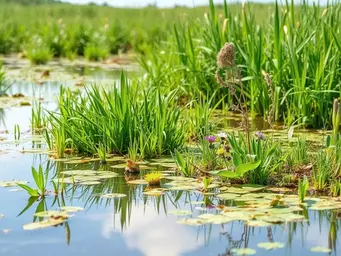
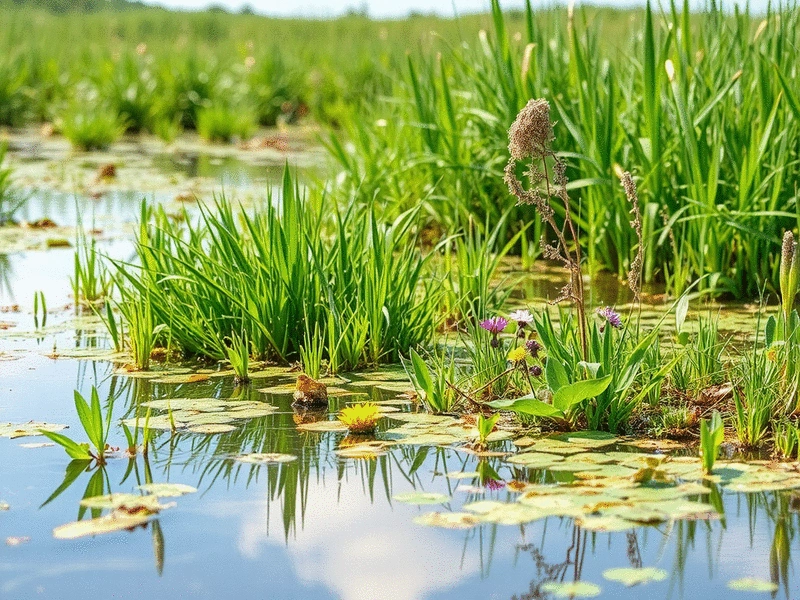
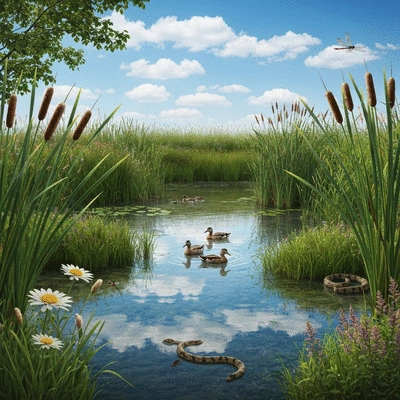
Lush wetland landscape with diverse native plants and clear water

The journey of restoration is often complex, requiring a combination of ecological knowledge and community involvement. Engaging local stakeholders not only helps in the execution of restoration plans but also fosters a sense of stewardship towards these vital ecosystems.

The Role of Native Plants in Ecosystem Recovery

Native plants are the backbone of successful wetland restoration projects. They are adapted to the local environment and play a crucial role in enhancing ecosystem stability and resilience. By planting native species, we can ensure that the restoration process promotes biodiversity and ecological balance. For a comprehensive list of plant species suitable for wetland restoration, refer to the National Wetland Plant List.

  • Provide habitat for local wildlife
  • Improve soil structure and health
  • Enhance water filtration and quality
  • Support overall ecosystem resilience

As someone who has spent years studying and advocating for native plant ecology, I can attest to the transformative power these plants bring. From the delicate beauty of wildflowers to the sturdy strength of reeds, each plant contributes to the intricate web of life in a wetland.

Ecosystem Services Provided by Restored Wetlands

Restored wetlands offer a myriad of ecosystem services that are vital for both the environment and human communities. These services include water purification, flood regulation, and carbon sequestration, which together enhance the health of our planet. Unfortunately, recent reports from the U.S. Fish and Wildlife Service continue to document a decline in wetlands, underscoring the urgent need for restoration.

  • Water filtration to improve quality for humans and wildlife
  • Flood mitigation by absorbing excess rainfall
  • Carbon storage to combat climate change
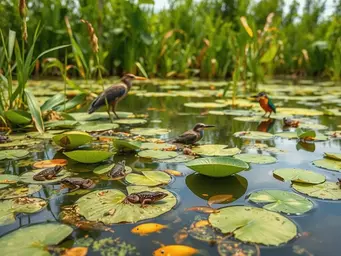
  • Habitat provision for a diverse range of species

Understanding these services is critical for anyone involved in restoration efforts. It empowers us to communicate the importance of wetland conservation to a broader audience, reinforcing the need for ongoing support and collaboration in our work.

Interactive Poll: Your Thoughts on Wetland Restoration

As we explore the vital role of wetland restoration, we want to hear from you! What aspect of wetland restoration do you find most compelling?

Lessons Learned from Wetland Restoration Experiences

In the field of wetland restoration, even unsuccessful projects offer invaluable lessons. Every misstep provides insights that can refine future initiatives and drive better outcomes. Reflecting on these experiences helps us understand the complexities involved in restoring these vital ecosystems. It’s essential to analyze what didn’t work and why, turning setbacks into stepping stones for future success!

What Can be Gained from Unsuccessful Projects?

When we examine projects that didn’t meet their goals, several common themes emerge. These projects often highlight crucial areas where improvements can be made, such as:

  • Inadequate Site Assessment: Failing to thoroughly understand the existing ecological conditions can lead to poor planting choices.
  • Poor Stakeholder Engagement: Lack of involvement from local communities and stakeholders can result in insufficient support and resources.
  • Insufficient Monitoring: Without ongoing evaluation, it’s challenging to determine the effectiveness of restoration strategies.

Understanding these factors is not just helpful; it’s necessary for enhancing the success rate of future projects. By learning from these shortcomings, we can create more effective restoration strategies that truly resonate with the local environment.

Adaptive Management Strategies for Future Success

Adaptive management is a powerful approach that encourages flexibility and responsiveness in wetland restoration projects. It involves regularly assessing the outcomes of restoration efforts and adjusting strategies based on what works best in practice. Key components of adaptive management include:

  • Monitoring and Feedback: Continuous observation helps in identifying challenges and successes, allowing for timely adjustments.
  • Stakeholder Involvement: Engaging communities and experts in the decision-making process fosters collaboration and innovation.
  • Learning Culture: Encouraging a mindset of learning among teams promotes experimentation and adaptation.
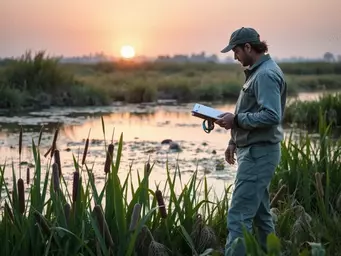
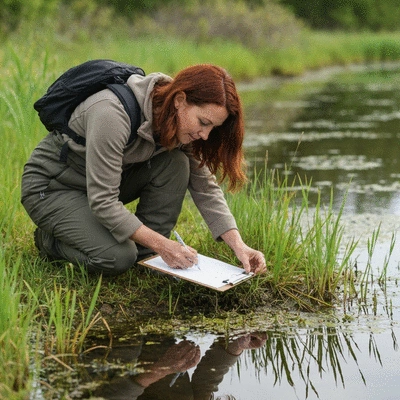
Environmental scientist studying wetland plants and water samples with a clipboard

As an environmental scientist, I’ve witnessed how the willingness to adapt can transform a restoration project into a thriving ecosystem. By embracing change, we can ensure that our wetland restoration efforts remain relevant and effective in an ever-evolving environment.

Key Restoration Success Factors Identified

Through extensive experience in wetland restoration, several key factors have emerged that significantly contribute to success. Here’s a summary of those factors:

  • Clear Objectives: Establishing well-defined goals ensures that all efforts align towards a common purpose.
  • Community Engagement: Actively involving local stakeholders fosters a sense of ownership and commitment.
  • Ecological Understanding: A solid grasp of the local ecology informs better decision-making regarding species selection and management practices.

These success factors serve as a foundation for effective restoration practices. By focusing on these elements, we can enhance the likelihood of reviving our precious wetlands for future generations.

Frequently Asked Questions (FAQs)

Here are some common questions about wetland restoration:

  • What is wetland restoration? Wetland restoration is the process of returning a degraded or destroyed wetland area to its natural state, which includes re-establishing native vegetation, restoring hydrology, and improving soil conditions to create a thriving ecosystem.
  • Why are native plants important in wetland restoration? Native plants are crucial because they are adapted to the local environment, enhance ecosystem stability and resilience, provide habitat for local wildlife, improve soil structure, and enhance water filtration.
  • What ecosystem services do restored wetlands provide? Restored wetlands offer vital services such as water filtration, flood mitigation, carbon storage to combat climate change, and habitat provision for a diverse range of species.
  • What are common challenges in wetland restoration projects? Common challenges include inadequate site assessment, poor stakeholder engagement, and insufficient monitoring, which can lead to ineffective restoration strategies.
  • How does adaptive management contribute to restoration success? Adaptive management involves regularly assessing restoration outcomes and adjusting strategies based on what works best in practice, incorporating continuous monitoring, stakeholder involvement, and a learning culture to ensure flexibility and responsiveness.

Recap of Key Points

Here is a quick recap of the important points discussed in the article:

  • Wetland restoration aims to rehabilitate degraded areas, reviving their ecological functions and enhancing biodiversity.
  • Native plants play a crucial role in ecosystem recovery by providing habitat, improving soil health, and enhancing water quality.
  • Successful wetland restoration projects involve clear objectives, community engagement, and a solid understanding of local ecology.
  • Lessons from unsuccessful projects highlight the importance of adequate site assessment, stakeholder involvement, and continuous monitoring.
  • Adaptive management strategies are essential for responding effectively to challenges and improving restoration outcomes.
About !author

Marina L. Hargrove

Marina L. Hargrove is a dedicated environmental scientist and educator with over a decade of experience in wetland restoration and conservation. With a background in ecology and a passion for sustainable practices, Marina shares her expertise through comprehensive guides and insights aimed at promoting effective habitat design and native plant ecology. Her mission is to empower professionals and enthusiasts alike to contribute to the preservation and restoration of our vital wetland ecosystems.
Popular Posts

Native Plants in Wetland Restoration Case Studies: Successful Wetland Restoration Projects Driven by Native Plant Ecology What if the success of your next environmental project hinged on a deeper understanding of local eco
Restoring Wetlands for Wildlife Habitat Wetland Restoration for Wildlife Habitat: Targeted Management for Amphibians, Birds, and Fish When we think about the future of our ecosystems, wetlands often come to mind as unsung heroes in bi
Effective Wetland Monitoring Strategies Wetland Habitat Monitoring and Adaptive Management: Tools and Strategies for Long-Term Success What drives the restoration of wetland ecosystems? It’s a blend of understanding, monitoring, and
Native Plants for Wetland Restoration Native Plant Propagation for Wetland Restoration: Seed Collection, Growing, and Planting Techniques Did you know that incorporating native plants in wetland restoration can significantly improve biodi