Restoring Wetlands for Wildlife Habitat
![Wetland Restoration for Wildlife Habitat: Targeted Management for Amphibians, Birds, and Fish]()
When we think about the future of our ecosystems, wetlands often come to mind as unsung heroes in biodiversity and climate resilience. Did you know that they provide habitat for over 40% of species listed as threatened or endangered? This article dives deep into the essential role of wetland restoration, illuminating paths to a sustainable future.
What You Will Learn
- Wetland restoration is crucial for supporting biodiversity, acting as nurseries for various species and improving water quality.
- Targeted management approaches enhance restoration success by addressing specific ecological needs and threats in wetland systems.
- Incorporating native species during restoration is vital for soil stability, water filtration, and supporting local wildlife.
- Measuring success in wetland restoration involves assessing population dynamics, species richness, and overall ecosystem health indicators.
- Cost-benefit analyses help justify restoration investments by weighing initial costs against long-term ecological and community benefits.
- Monitoring water quality improvements is essential, with metrics including reductions in pollutants and enhanced biodiversity in aquatic organisms.
Key Metrics and Outcomes of Wetland Restoration
Wetland restoration efforts are measured by several key metrics, focusing on
population dynamics, biodiversity, and water quality improvements.
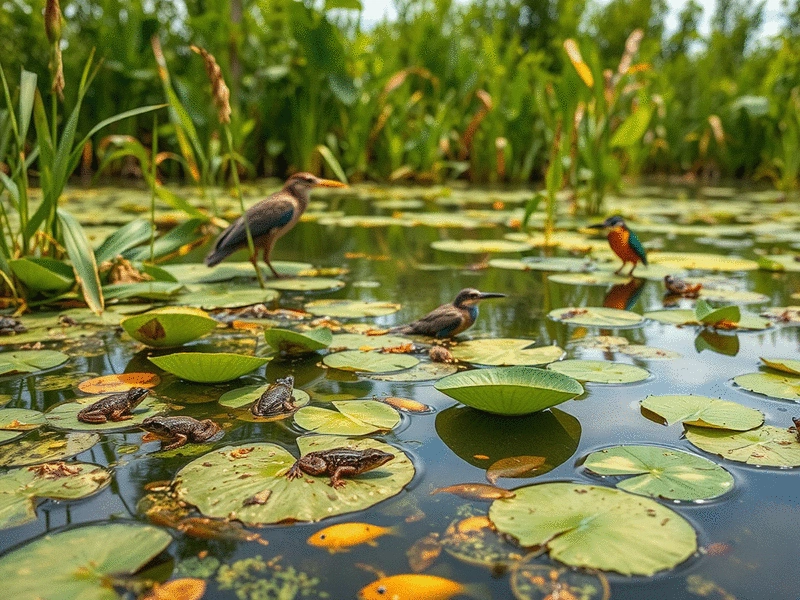
![Lush wetland landscape with diverse flora and fauna, clear water]()
Expected Increases Post-Restoration
Wildlife Population Dynamics
-
✓Amphibian species due to improved breeding habitats
-
✓Greater bird diversity as nesting sites become available
-
✓Enhanced fish populations with increased connectivity
Key Indicators of Success
Water Quality Improvements
-
●Reduction in nitrogen and phosphorus levels"
Marina L. Hargrove
Marina L. Hargrove is a dedicated environmental scientist and educator with over a decade of experience in wetland restoration and conservation. With a background in ecology and a passion for sustainable practices, Marina shares her expertise through comprehensive guides and insights aimed at promoting effective habitat design and native plant ecology. Her mission is to empower professionals and enthusiasts alike to contribute to the preservation and restoration of our vital wetland ecosystems.