Site Assessment: Understand wetland conditions and needs.
Native Plants for Wetland Restoration
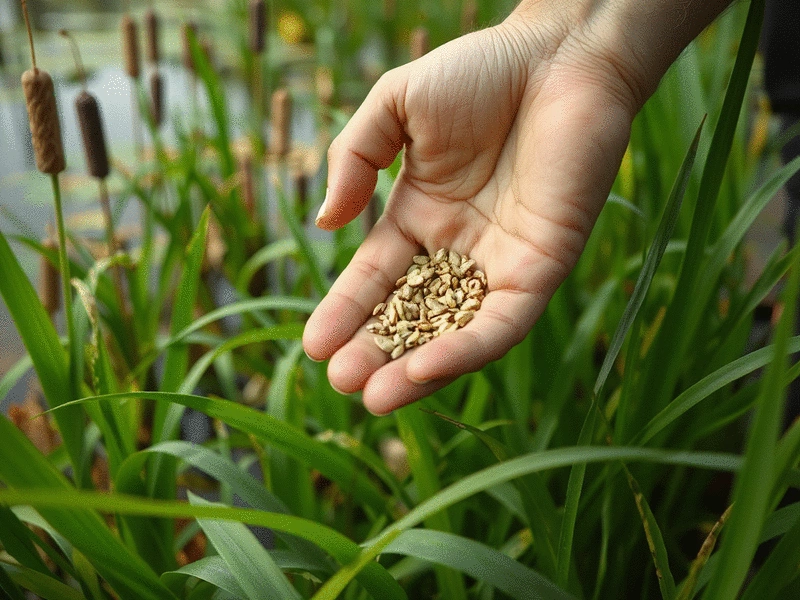
Did you know that incorporating native plants in wetland restoration can significantly improve biodiversity and water quality? This powerful approach not only revitalizes ecosystems but also enhances community engagement and resilience against climate change.
What You Will Learn
- Native plants improve biodiversity by providing essential habitats and food sources for various species.
- Using native flora contributes to water quality enhancement through natural filtration and pollutant reduction.
- Engaging local communities in restoration projects fosters stewardship and a deeper connection to their environment.
- Effective restoration requires a thorough site assessment and the careful selection of appropriate native species.
Key Steps and Benefits of Native Plant Propagation in Wetland Restoration
Below is a visual summary of the essential steps involved in native plant propagation for wetland restoration and the significant benefits derived from using native plants.
Key Steps in Native Plant Propagation
Plant Selection: Choose native plants for hydrology/ecology.
Propagation Techniques: Seed collection or nursery production.
Monitor & Adapt: Ensure long-term success and sustainability.
Benefits of Native Plants in Restoration
Enhanced Biodiversity: Attracts diverse wildlife and pollinators.
Soil Stability: Reduces erosion and promotes sediment retention.
Improved Water Quality: Filters pollutants and excess nutrients.
Low Maintenance: Requires fewer resources than non-native species.
Understanding the Role of Native Plant Propagation in Wetland Restoration
Wetland restoration is a vital endeavor, and understanding the role of native plant propagation in this process is crucial. Native plants are not only adapted to local conditions, but they also play a significant role in maintaining the ecological balance of wetland ecosystems. By promoting the growth of these plants, we foster habitats that support diverse wildlife and improve water quality. So, why exactly are native plants essential for wetlands?
Why Native Plants are Essential for Wetlands
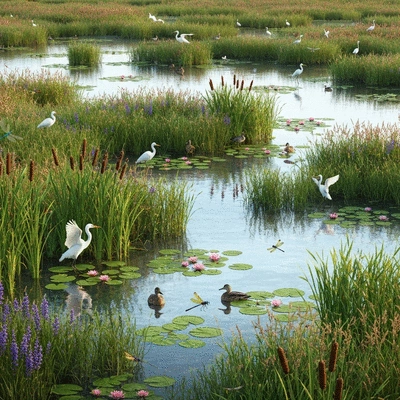
Native plants have evolved in their specific environments, making them well-suited to cope with local climate conditions and soil types. They form a vital part of the wetland ecosystem, providing food and shelter for a variety of species. Additionally, these plants contribute to water filtration and flood control, helping to maintain overall wetland health. The Environmental Protection Agency (EPA) highlights the critical role of native plants in wetland restoration. Here are some reasons why native plants are indispensable:
- They enhance biodiversity by attracting various wildlife, including pollinators and birds.
- Native plants support soil stability, reducing erosion and promoting sediment retention.
- They can improve water quality by filtering pollutants and excess nutrients.
- These plants are generally low-maintenance, requiring fewer resources than non-native species.
As I’ve witnessed in my work at Wetland Restoration, the targeted use of native plants can lead to profound improvements in wetland health and resilience. This is why I emphasize their importance in restoration efforts!
Benefits of Using Native Plants in Restoration Efforts
Incorporating native plants into your restoration projects brings numerous benefits beyond ecological health. For one, they create a sense of place, restoring the unique character of local environments. The University of Minnesota Extension provides valuable insights into the advantages of native plants in ecological restoration, emphasizing their role in creating sustainable landscapes. Here are some key benefits of using native plants in restoration:
- Enhanced ecosystem services, such as improved air and water quality.
- Increased resilience to climate change impacts, aiding in flood and drought management.
- Support for local economies through ecotourism and sustainable agriculture.
- Improved community connections and stewardship as residents engage with their natural heritage.
The success stories I’ve encountered, where communities have rallied around native plant initiatives, highlight the transformative power of these species. It’s rewarding to see how restoration efforts not only restore habitats but also foster a deeper community connection to the environment.
The Role of Native Flora in Enhancing Biodiversity
One of the most compelling reasons to prioritize native plants in wetland restoration is their ability to enhance biodiversity. Native flora provides essential habitats that support a wide range of species. In fact, restoring a diverse array of native plants can lead to a healthier and more resilient ecosystem. The U.S. Fish and Wildlife Service underscores the importance of native plant communities in supporting wildlife and maintaining ecological balance in wetlands. Here are some ways native flora contributes to biodiversity:
- They serve as host plants for native insects, which are crucial for pollination.
- Native plants create a layered habitat that supports different species at various life stages.
- They help maintain food webs by providing resources for herbivores, which in turn support predators.
- By fostering genetic diversity, native plants enhance the overall resilience of the ecosystem.
In my experience, projects that focus on enhancing biodiversity through native plant propagation not only thrive ecologically but also engage communities in a meaningful way. It’s a beautiful reminder of the interconnectedness of life!
Assessing Your Wetland Site for Successful Restoration
Before embarking on any restoration initiative, it’s pivotal to assess your wetland site thoroughly. This process sets the foundation for success by ensuring that the restoration techniques employed are suited to the local conditions. Let’s dive into what a comprehensive site assessment entails.
Engage with Us!
What role do you believe native plants play in enhancing wetland ecosystems? Share your thoughts with us:
Summarizing Key Steps in Native Plant Propagation for Wetland Restoration
As we delve deeper into the world of wetland restoration, it's crucial to highlight the importance of native plant propagation. This process not only lays the foundation for restoring wetland ecosystems but also enhances ecological resilience. Here are the key steps to keep in mind:
- Conduct a thorough site assessment to understand your wetland's specific conditions and needs.
- Select appropriate native plants that align with your site's hydrology and ecological context.
- Implement effective propagation techniques, whether through seed collection or nursery production.
- Monitor and adapt your restoration practices to ensure long-term success and sustainability.
Reflecting on the journey of restoring wetlands, I often remind myself and others that embracing native plants is paramount. They not only support local wildlife but also create a balanced ecosystem that thrives over time.
Reflections on the Importance of Native Plants in Restoration
Native plants are the unsung heroes of wetland ecosystems. They offer myriad benefits such as improved water quality, enhanced biodiversity, and better soil stability. By focusing on native flora, we create a habitat that resonates with the natural rhythms of the environment, fostering resilience against climate change.
When I think about my own experiences working with various communities, it’s evident that the success of restoration projects often hinges on the selection of native species. They are uniquely adapted to local conditions, making them more likely to thrive and fulfill their ecological roles.
Final Thoughts on Implementing Effective Propagation and Planting Techniques
In my years of advocating for wetland restoration through Wetland Restoration, I’ve seen firsthand how effective propagation and planting techniques can transform a landscape. It’s important to remember that this is not a one-time effort; it requires ongoing care and attention. By focusing on the right techniques, we can ensure a higher survival rate for newly planted species.
- Implement timely planting schedules based on seasonal conditions.
- Utilize proper planting depths to enhance root establishment.
- Monitor water levels closely, especially during critical growth phases.
Effective restoration of wetlands is a journey filled with learning and adaptation. By following these key steps and remaining engaged, we can collectively achieve thriving wetland ecosystems for future generations.
Engaging with the Community for Successful Restoration
Engagement with the community is essential for the success of any restoration project. As I often emphasize, the more we involve local participants, the better our outcomes will be. Here are some strategies to enhance community participation:
- Host workshops and informational sessions to educate community members about the importance of wetlands.
- Encourage volunteer days for planting and maintenance activities, fostering a sense of ownership.
- Create partnerships with local schools and organizations to promote outreach and education.
Encouraging Local Participation in Wetland Restoration Efforts
When we bring local voices into the conversation, it not only enriches the project but also cultivates a sense of community stewardship. I’ve witnessed how local participation can transform a restoration effort into a collective mission. Everyone has a role to play, and together, we can make a significant impact!
Resources for Further Learning and Support from the Native Plant Society
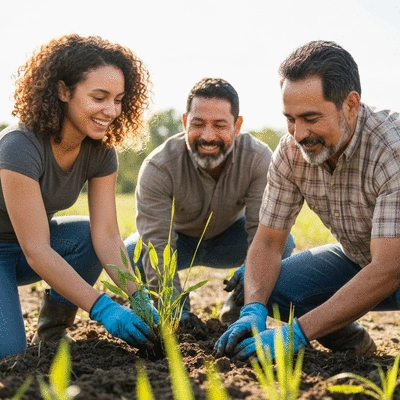
For those interested in deepening their knowledge about native plants and wetland restoration, I highly recommend tapping into resources from the Native Plant Society. They offer a wealth of information, from detailed plant profiles to propagation techniques that can guide your efforts. Additionally, their networking opportunities can connect you with like-minded individuals passionate about conservation.
Promoting Community Engagement Through Educational Field Guides
One of the most effective ways to engage the community is through educational field guides. These guides not only provide valuable information about native plants but also serve as a tool for identifying and appreciating local ecosystems. I encourage you to consider developing or distributing such resources to inspire curiosity and involvement in wetland restoration.
Recap of Key Points
Here is a quick recap of the important points discussed in the article:
- Native plants are essential for maintaining ecological balance in wetland ecosystems, providing food and shelter for diverse wildlife.
- Incorporating native plants into restoration projects enhances biodiversity, improves water quality, and supports soil stability.
- Conducting a thorough site assessment is crucial to selecting appropriate native plants that align with local hydrology and ecological contexts.
- Effective propagation techniques and monitoring practices are key to ensuring the success of restoration efforts.
- Engaging the community through workshops and volunteer activities fosters a sense of stewardship and ownership over local wetlands.
Frequently Asked Questions About Native Plant Propagation in Wetland Restoration
Why are native plants essential for wetland restoration?
Native plants are crucial because they are adapted to local conditions, provide essential habitats and food sources for diverse wildlife, contribute to water filtration, and help with flood control. They enhance biodiversity and maintain the ecological balance of wetland ecosystems.
What are the main benefits of using native plants in restoration efforts?
The benefits include enhanced ecosystem services (improved air and water quality), increased resilience to climate change impacts (flood and drought management), support for local economies, and improved community connections and stewardship.
How do native plants enhance biodiversity in wetlands?
Native plants serve as host plants for native insects (crucial for pollination), create layered habitats for various species, help maintain food webs, and foster genetic diversity, all of which contribute to a healthier and more resilient ecosystem.
What are the key steps for successful native plant propagation in wetland restoration?
The key steps include conducting a thorough site assessment, selecting appropriate native plants based on local hydrology and ecology, implementing effective propagation techniques (seed collection or nursery production), and continuously monitoring and adapting practices for long-term success.
How can community engagement contribute to the success of wetland restoration projects?
Community engagement is vital for fostering a sense of ownership and stewardship. Strategies include hosting workshops, encouraging volunteer days for planting and maintenance, creating partnerships with local organizations, and promoting educational field guides to inspire involvement.

Marina L. Hargrove
Marina L. Hargrove is a dedicated environmental scientist and educator with over a decade of experience in wetland restoration and conservation. With a background in ecology and a passion for sustainable practices, Marina shares her expertise through comprehensive guides and insights aimed at promoting effective habitat design and native plant ecology. Her mission is to empower professionals and enthusiasts alike to contribute to the preservation and restoration of our vital wetland ecosystems.
Popular Posts
Native Plants in Wetland Restoration
![Case Studies: Successful Wetland Restoration Projects Driven by Native Plant Ecology]() What if the success of your next environmental project hinged on a deeper understanding of local eco
What if the success of your next environmental project hinged on a deeper understanding of local eco
 What if the success of your next environmental project hinged on a deeper understanding of local eco
Restoring Wetlands for Wildlife Habitat
![Wetland Restoration for Wildlife Habitat: Targeted Management for Amphibians, Birds, and Fish]() When we think about the future of our ecosystems, wetlands often come to mind as unsung heroes in bi
When we think about the future of our ecosystems, wetlands often come to mind as unsung heroes in bi
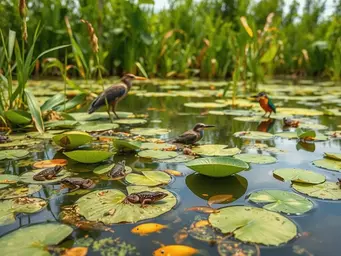 When we think about the future of our ecosystems, wetlands often come to mind as unsung heroes in bi
Effective Wetland Monitoring Strategies
![Wetland Habitat Monitoring and Adaptive Management: Tools and Strategies for Long-Term Success]() What drives the restoration of wetland ecosystems? It’s a blend of understanding, monitoring, and
What drives the restoration of wetland ecosystems? It’s a blend of understanding, monitoring, and
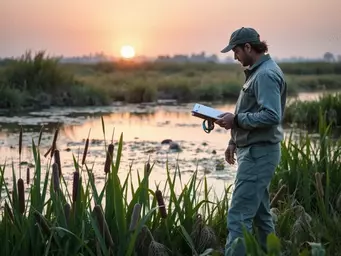 What drives the restoration of wetland ecosystems? It’s a blend of understanding, monitoring, and
Native Plants for Wetland Restoration
![Native Plant Propagation for Wetland Restoration: Seed Collection, Growing, and Planting Techniques]() Did you know that incorporating native plants in wetland restoration can significantly improve biodi
Did you know that incorporating native plants in wetland restoration can significantly improve biodi
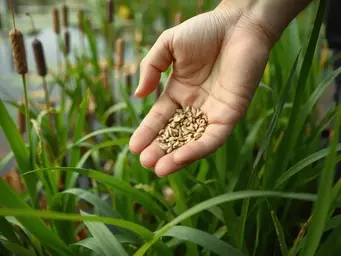 Did you know that incorporating native plants in wetland restoration can significantly improve biodi
