Effective Wetland Monitoring Strategies

Wetland Habitat Monitoring and Adaptive Management: Tools and Strategies for Long-Term Success

What drives the restoration of wetland ecosystems? It’s a blend of understanding, monitoring, and continuous adaptive management. These practices not only nurture biodiversity but also empower communities to take part in conservation efforts.

What You Will Learn

  • The importance of wetland habitat monitoring in assessing ecosystem health and guiding restoration efforts.
  • How adaptive management allows for dynamic adjustments in conservation strategies based on real-time data.
  • Key practices for ecological monitoring that enhance biodiversity assessment and inform management decisions.
  • The critical role of community engagement and stakeholder collaboration in successful wetland conservation.
  • Future goals for improving wetland habitat monitoring through technology and community outreach.

Wetland Monitoring & Adaptive Management Overview

An overview of the cyclical process of wetland habitat monitoring and adaptive management, highlighting key objectives and continuous improvement.

Wetland Habitat Monitoring: Goals

  • Assess ecological integrity & biodiversity
  • Identify threats & stressors
  • Track restoration success
  • Guide management decisions

Adaptive Management: Key Aspects

  • Monitor ecosystem responses
  • Incorporate stakeholder feedback
  • Utilize scientific research

Ecological Monitoring: Key Practices

  • Conduct periodic surveys
  • Utilize indices for quality/diversity
  • Implement long-term monitoring

Continuous Improvement: Feedback Methods

  • Field surveys (habitat)
  • Water quality tests
  • Community input (wildlife)

Future Goals: Wetland Monitoring

  • Advanced tech for data
  • Expand community outreach
  • Enhance local partnerships

Stakeholder Engagement: Collaborators

  • Local governments/policymakers
  • Conservation organizations
  • Community volunteers/educators

Community Engagement: Stewardship Strategies

  • Educational workshops & training
  • Volunteer opportunities
  • Public awareness campaigns

Understanding Wetland Habitat Monitoring and Adaptive Management

To effectively restore and manage wetland ecosystems, we must first understand the dynamics at play within these critical habitats. Wetland habitat monitoring serves as a foundational practice that informs conservation efforts and guides adaptive management strategies. The primary aim of this monitoring is to assess the health and functionality of wetland ecosystems, ensuring that they support biodiversity and provide essential ecosystem services, as highlighted in reports such as the H2Ohio Wetland Monitoring Program Annual Report.

Monitoring allows us to gather baseline data on wetland health, identify any changes over time, and determine the effectiveness of restoration efforts. By setting clear goals and objectives in our monitoring programs, we can better support our mission at Wetland Restoration to foster sustainable practices in habitat design and ecosystem conservation.

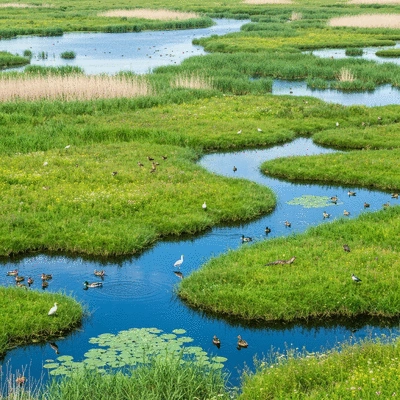
Aerial view of a healthy wetland ecosystem with diverse flora and fauna

Defining Wetland Habitat Monitoring: Goals and Objectives

Wetland habitat monitoring is critical in understanding the various components that contribute to a healthy ecosystem. The goals of monitoring include:

  • Assessing ecological integrity and biodiversity
  • Identifying threats and stressors impacting wetlands
  • Tracking the success of restoration projects
  • Guiding management decisions based on data-driven insights

These objectives not only enhance our understanding of wetland function but also help stakeholders recognize the value of wetlands in mitigating climate change effects and preserving biodiversity. As someone who has dedicated years to wetland restoration, I often reflect on how each of these goals contributes to our broader mission of ecological stewardship. Further insights into monitoring guidelines can be found through resources like the new wetland monitoring guidelines from NOAA Fisheries.

The Role of Adaptive Management in Ecosystem Health

Adaptive management is a dynamic approach that allows us to refine our conservation strategies based on real-time data and changing environmental conditions. This approach is essential for fostering long-term sustainability and resilience in wetland ecosystems. By continuously evaluating the outcomes of management actions, we can adjust our methods to better address the unique challenges that wetlands face.

Key aspects of adaptive management include:

  • Monitoring ecosystem responses to management actions
  • Incorporating stakeholder feedback into decision-making processes
  • Utilizing scientific research to guide best practices

By embracing adaptive management, we not only increase our chances of restoration success but also build resilience within wetland ecosystems, allowing them to thrive despite external pressures such as climate change.

Ecological Monitoring: Key Practices for Biodiversity Assessment

To effectively manage wetland habitats, it is essential to evaluate biodiversity through ecological monitoring. This practice provides insights into species composition, habitat quality, and overall ecosystem health. The significance of biodiversity assessment cannot be overstated; it forms the basis of informed management decisions.

  • Conduct periodic surveys to assess plant and animal populations
  • Utilize indices to measure habitat quality and species diversity
  • Implement long-term monitoring to track changes over time

By integrating these key practices into our monitoring efforts, we at Wetland Restoration can ensure that our conservation initiatives not only protect existing biodiversity but also enhance ecological functions critical to wetland health.

We Want to Hear From You!

What strategies have you found most effective in engaging your community for wetland conservation? Share your thoughts below:

Frequently Asked Questions About Wetland Restoration and Management

Here are some common questions about wetland habitat monitoring and adaptive management:

What is wetland habitat monitoring?
Wetland habitat monitoring is the systematic process of observing and assessing the health, functionality, and biodiversity of wetland ecosystems. Its goals include identifying threats, tracking restoration success, and guiding management decisions.
Why is adaptive management important for wetland ecosystems?
Adaptive management is crucial because it allows for continuous adjustment of conservation strategies based on real-time data and changing environmental conditions. This dynamic approach ensures that management efforts remain effective and resilient in the face of challenges like climate change.
What are the key practices for ecological monitoring in wetlands?
Key practices include conducting periodic surveys of plant and animal populations, utilizing indices to measure habitat quality and species diversity, and implementing long-term monitoring programs to track changes over extended periods.
How does community engagement contribute to successful wetland conservation?
Community engagement fosters awareness and stewardship among local populations, creating a collective effort towards conservation. This includes educational workshops, volunteer opportunities, and public awareness campaigns that amplify the impact of restoration initiatives.
What are some future goals for improving wetland habitat monitoring?
Future goals include incorporating advanced technologies for real-time data collection, expanding community outreach programs, and enhancing partnerships with local organizations to share resources and expertise, thereby improving the overall effectiveness of wetland restoration.

Evaluating Long-Term Success in Wetland Management

At Wetland Restoration, we understand that evaluating the long-term success of wetland management goes beyond just checking off boxes. It’s about continuous improvement—a never-ending cycle that involves feedback and assessment to refine our practices over time. Each evaluation not only helps us understand what works but also what needs adjustment, ensuring that our restoration efforts are as effective as possible. For comprehensive evaluation methods, resources like the EPA's Wetland Assessment website offer valuable tools and reports.

Engaging in a thorough evaluation process allows us to adapt and make informed decisions about the conservation strategies we implement. It’s essential for maintaining the balance of these dynamic ecosystems. As we look to the future, we can continuously enhance our management practices based on real-world insights and data.

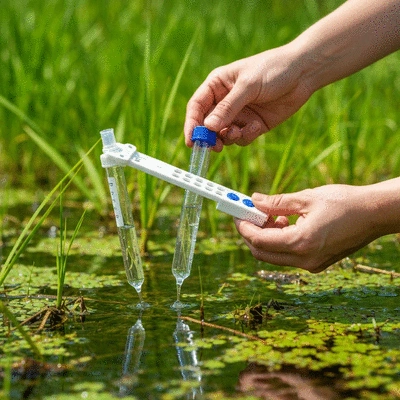
Close-up of a water quality testing kit being used in a wetland

Continuous Improvement through Feedback and Assessment

Regular feedback is crucial for nurturing successful wetland management. It can take various forms, including:

  • Field surveys to assess habitat conditions
  • Water quality tests to monitor ecosystem health
  • Community input on observed changes in wildlife

By collecting data from these diverse sources, we can identify trends and make necessary adjustments. This feedback loop is vital for fostering resilience within wetland ecosystems, ensuring that our efforts contribute positively to their health.

Setting Future Goals for Wetland Habitat Monitoring

As we strive for better outcomes in wetland habitat monitoring, we need to establish clear, actionable goals. Some of the future objectives we aim to achieve include:

  • Incorporating advanced technologies for real-time data collection
  • Expanding community outreach programs to raise awareness
  • Enhancing partnerships with local organizations for resource sharing

These goals not only direct our efforts but also align with our mission to empower professionals and enthusiasts alike in the field of wetland restoration.

Engagement with Stakeholders: Building Collaborative Efforts

Involving stakeholders in the management process is crucial for achieving holistic success in wetland conservation. Collaborating with various groups, such as:

  • Local governments and policymakers
  • Conservation organizations and nonprofits
  • Community volunteers and educators

...creates a network of support that can amplify our impact. By pooling resources and expertise, we can develop more comprehensive management strategies that address the diverse needs of our wetlands.

Community Engagement and Education: Fostering Awareness and Stewardship

Community engagement is the heart of effective wetland management. At Wetland Restoration, we believe that fostering awareness and stewardship among local populations is key to sustaining these vital ecosystems. Some strategies to promote engagement include:

  • Hosting educational workshops and training sessions
  • Creating volunteer opportunities for habitat restoration projects
  • Launching public awareness campaigns about wetland benefits

By actively involving the community, we can inspire a collective effort towards conservation and ensure that future generations appreciate and protect our precious wetland habitats.

Recap of Key Points

Here is a quick recap of the important points discussed in the article:

  • Wetland habitat monitoring is essential for assessing ecological health and guiding conservation efforts.
  • Adaptive management allows for continuous improvement based on real-time data and stakeholder feedback.
  • Regular ecological monitoring helps evaluate biodiversity and informs effective management decisions.
  • Engagement with stakeholders and community education fosters collaborative conservation efforts.
  • Setting clear goals for future monitoring can enhance the effectiveness of wetland restoration initiatives.
About !author

Marina L. Hargrove

Marina L. Hargrove is a dedicated environmental scientist and educator with over a decade of experience in wetland restoration and conservation. With a background in ecology and a passion for sustainable practices, Marina shares her expertise through comprehensive guides and insights aimed at promoting effective habitat design and native plant ecology. Her mission is to empower professionals and enthusiasts alike to contribute to the preservation and restoration of our vital wetland ecosystems.
Popular Posts

Effective Wetland Monitoring Strategies Wetland Habitat Monitoring and Adaptive Management: Tools and Strategies for Long-Term Success What drives the restoration of wetland ecosystems? It’s a blend of understanding, monitoring, and
Native Plants for Wetland Restoration Native Plant Propagation for Wetland Restoration: Seed Collection, Growing, and Planting Techniques Did you know that incorporating native plants in wetland restoration can significantly improve biodi
Enhancing Wetlands with Islands Incorporating Islands and Microhabitats in Wetland Design to Enhance Species Richness What if the key to preserving our wetlands lies in understanding the roles of islands and microhabit
Establishing Native Plants for Control Managing Invasive Species Through Strategic Native Wetland Plant Establishment What if the key to restoring our precious wetlands lies not just in removal but in the reestablishme