Hydrology Monitoring
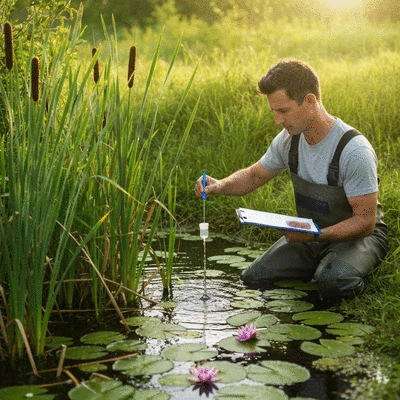
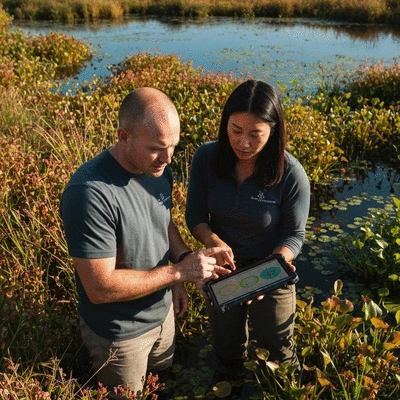
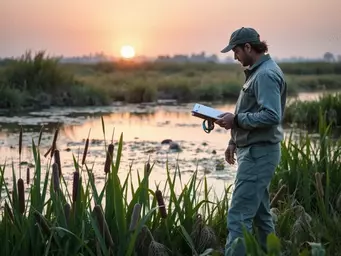
Tracking water levels, flow patterns, and seasonal variations to understand the wetland's hydrological balance.
Water Dynamics
What if every restoration project could benefit from a roadmap of insights gathered over time? Long-term monitoring offers just that—a way to ensure wetland ecosystems thrive, guiding restoration efforts toward lasting success.
Effective wetland restoration relies on a comprehensive approach to monitoring. The following techniques are crucial for assessing ecosystem health and guiding adaptive management.
Tracking water levels, flow patterns, and seasonal variations to understand the wetland's hydrological balance.
Evaluating parameters like pH, dissolved oxygen, and nutrient levels to ensure overall water condition.
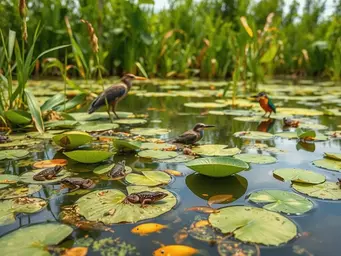
Observing and recording species diversity, habitat preferences, and population trends.
Assessing soil health and vegetation communities to understand overall ecosystem function.
Monitoring the presence and impact of invasive species to protect native vegetation.
Long-term monitoring is an essential component of successful wetland restoration. It helps us track ecosystem health over time and provides valuable insights into the effectiveness of our restoration practices. By understanding the changes that occur in wetland environments, we can make informed decisions that enhance the resilience of these crucial ecosystems.
At Wetland Restoration, we believe that continuous evaluation fosters a deeper understanding of our wetland projects. Through long-term monitoring, we can identify trends, detect issues early, and implement timely interventions. This approach not only contributes to ecological stability but also enhances community trust and support for our initiatives.
Monitoring our wetlands over extended periods is vital to ensuring their ecological integrity. It allows us to assess the impact of restoration efforts on various ecosystem components, such as water quality, wildlife populations, and vegetation health. An effective monitoring program, as highlighted by the IUCN's guidance on monitoring ecosystem restoration, can:
By paying attention to these indicators, we can enhance the sustainability of wetlands and ensure they continue to provide environmental benefits for future generations. This proactive approach not only aids in restoration success but also strengthens our commitment to preserving these vital ecosystems.
There are several techniques we can use to monitor wetland restoration effectively. Each method focuses on different aspects of the ecosystem, providing a comprehensive view of its health and functionality. Here are some key monitoring techniques:
At Wetland Restoration, we adopt a holistic approach to these techniques, allowing us to capture a complete picture of the restoration process. Each technique offers unique insights that can guide our efforts and improve overall ecosystem health.
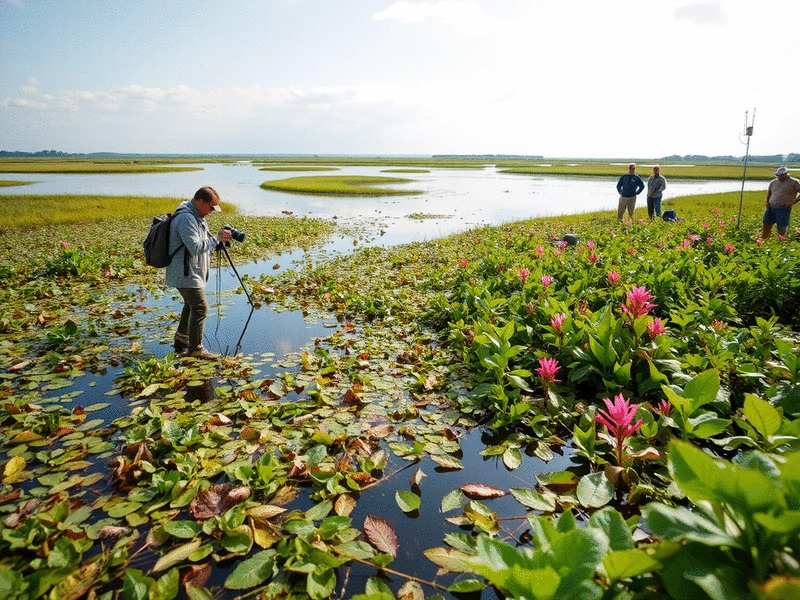
Understanding the water dynamics within a wetland is crucial for restoration success. Hydrology monitoring involves tracking water levels, flow patterns, and seasonal variations. This data informs us about the wetland's hydrological balance and helps us identify any disruptions that might compromise its health. The Rice Creek Watershed District's wetland monitoring efforts, for example, demonstrate the importance of this data in maintaining ecological balance.
By assessing these dynamics, we can make necessary adjustments to our restoration efforts, ensuring that water remains a vital component of the ecosystem. For example, if we notice a decline in water levels, we may consider implementing strategies to enhance water retention, thereby supporting native plant growth and wildlife habitat.
Water quality is another critical factor in wetland health. Monitoring parameters such as pH, dissolved oxygen, and nutrient levels enables us to evaluate the overall condition of the water within the wetland. Poor water quality can lead to algal blooms, which negatively affect aquatic life.
By regularly testing water samples, we can ensure that our restoration practices maintain high water quality standards. This commitment enhances not just the wetland's ecological health but also benefits the surrounding communities relying on these resources.
Conducting wildlife surveys allows us to assess the diversity of species within the restored wetland. This technique typically involves observing and recording different animal species, noting their habitat preferences and population trends. Monitoring wildlife provides insights into the effectiveness of restoration strategies in creating suitable habitats for native species.
By understanding how different species utilize the habitat, we can refine our management techniques to promote biodiversity. This step is crucial because healthy ecosystems are resilient and can better withstand environmental pressures.
Analyzing soil and vegetation is key to understanding wetland function. Soil health directly influences plant growth, while vegetation communities reflect the overall ecological state of the wetland. Regularly assessing these components helps us identify any deficiencies or imbalances that may require intervention.
Through targeted soil tests and vegetation surveys, we can enhance the effectiveness of our restoration efforts by ensuring that native plants thrive, thereby promoting a balanced ecosystem.
Invasive species pose a significant threat to wetland ecosystems. Monitoring their presence and impact on native vegetation is essential for successful restoration. By identifying invasive species early, we can implement management strategies to mitigate their effects and support the recovery of native plants.
This proactive approach not only protects the biodiversity of the wetland but also contributes to the overall health of the ecosystem, ensuring that it can perform essential functions such as water filtration and habitat provision.
Adaptive management is a vital concept in wetland restoration, emphasizing the importance of flexibility and responsiveness to changing conditions. This approach encourages us to treat restoration projects as ongoing experiments, where we continuously learn and adapt our strategies based on monitoring data. For instance, the Louisiana Coastal Protection and Restoration Authority (CPRA) uses adaptive management strategies to refine their restoration efforts in response to evolving environmental factors.
By fostering an adaptive management mindset, we can enhance the effectiveness of our restoration initiatives and ensure that we are prepared to tackle unforeseen challenges. It embodies the spirit of collaboration and commitment that defines our mission at Wetland Restoration.
What monitoring technique do you find most essential for wetland restoration? Share your thoughts below:
As we reflect on the essential role of adaptive management in wetland restoration, it’s clear that this approach not only enhances our understanding of ecosystem dynamics but also ensures the longevity and resilience of these vital habitats. With a focus on ongoing monitoring and flexibility, we can respond effectively to both ecological changes and the challenges posed by climate change. It's an exciting time for all of us involved in restoration efforts, and I encourage you to embrace these practices in your projects!
Looking ahead, the future of wetland restoration monitoring appears promising. With advancements in technology and a growing emphasis on community collaboration, we are better equipped than ever to make informed decisions that benefit both the environment and the communities that rely on these ecosystems. Together, we can navigate the complexities of restoration and foster a sustainable future.
As we consider the future of monitoring in wetland restoration, several key elements come to mind:
Incorporating these elements will create a robust framework for monitoring that adapts to the ever-changing conditions of our wetlands. It's vital that we remain forward-thinking and proactive in our strategies to ensure effective restoration.
As we approach our restoration goals, I urge practitioners and advocates to prioritize the following best practices:
By implementing these strategies, we can create a more inclusive and effective approach to wetland restoration. Let’s work together to inspire action and foster sustainable practices that protect our precious wetlands for generations to come!
To effectively implement adaptive management in your projects, consider the following steps:
These steps will not only improve your current projects but also contribute to a growing body of knowledge in the field of wetland restoration.
Community involvement is crucial for the long-term success of restoration projects. Here are a few ways to enhance stakeholder engagement:
Building strong relationships with community members can lead to better outcomes and a shared commitment to preserving our wetlands.
Finally, advocating for supportive policy frameworks is essential. Consider these actions:
By aligning our efforts with effective policy frameworks, we can create a more conducive environment for wetland restoration and ensure that our initiatives are sustainable and impactful.
Here is a quick recap of the important points discussed in the article:
Marina L. Hargrove is a dedicated environmental scientist and educator with over a decade of experience in wetland restoration and conservation. With a background in ecology and a passion for sustainable practices, Marina shares her expertise through comprehensive guides and insights aimed at promoting effective habitat design and native plant ecology. Her mission is to empower professionals and enthusiasts alike to contribute to the preservation and restoration of our vital wetland ecosystems.