Establishing Native Plants for Control

What if the key to restoring our precious wetlands lies not just in removal but in the reestablishment of native species? The delicate balance within wetland ecosystems is constantly threatened by invasive species, making it essential to understand their impacts and the power of native plants in restoration efforts.
What You Will Learn
- Invasive species can disrupt nutrient cycling and reduce biodiversity in wetland ecosystems.
- Restoring native plants enhances habitat availability and improves water quality.
- Biodiversity contributes to the resilience of wetlands against environmental stressors.
- Evaluating the impact of native plant establishment is crucial for long-term ecological sustainability.
- Cost-benefit analysis of invasive species management techniques informs better decision-making.
- Investing in ecological restoration yields long-term benefits, including enhanced biodiversity and flood regulation.
- Monitoring species diversity is vital for assessing the success of restoration projects.
- Building community partnerships strengthens restoration efforts and promotes continuous learning.
Impact of Invasive Species vs. Native Plant Benefits in Wetlands
This visual highlights the detrimental effects of invasive species on wetland ecosystems compared to the positive contributions of native plants in restoration efforts.
Disruptions by Invasive Species
- × Altered nutrient cycling
- × Reduced habitat for native species
- × Impaired water quality
- × Increased flood risks
Benefits of Native Plants
- ✓ Enhances habitat for local wildlife
- ✓ Improves soil health & water filtration
- ✓ Increases resilience against climate change
- ✓ Supports local pollinators & food webs
Biodiversity's Role in Resilience
- • Promotes genetic diversity
- • Enhances ecosystem services
- • Facilitates adaptive responses
- • Improves overall ecosystem health
Long-Term ROI in Restoration
- • Enhanced biodiversity
- • Improved water filtration & flood regulation
- • Increased carbon sequestration
- • Community engagement & stewardship
Understanding the Role of Native Wetland Plants in Managing Invasive Species
Wetlands are dynamic ecosystems that thrive on diversity, yet they often face challenges from invasive species that can disrupt their delicate balance. As someone who's spent over a decade in wetland restoration, I’ve seen firsthand how these invaders can alter habitats and threaten native biodiversity. In this section, we will explore how invasive species disrupt wetland ecosystems and the vital role that native plants play in counteracting these challenges.
How Invasive Species Disrupt Wetland Ecosystems
Invasive species, such as certain types of reed canary grass and purple loosestrife, can rapidly outcompete native flora, leading to significant ecological consequences. These species often thrive in disturbed areas and can alter hydrology, nutrient cycling, and habitat availability for native wildlife. By monopolizing resources, invasive plants can reduce biodiversity, impair water quality, and diminish the resilience of wetland ecosystems. A comprehensive study on the mechanisms of invasive species success highlights how they often exploit existing vulnerabilities in ecosystems, further emphasizing the need for robust native plant communities (Source: PMC NCBI).
- Altered nutrient cycling
- Reduced habitat for native species
- Impaired water quality
- Increased flood risks
Understanding these impacts is critical for anyone involved in wetland management. Addressing the presence of invasive species is not just about removal; it’s about fostering a healthier ecosystem where native plants can thrive.
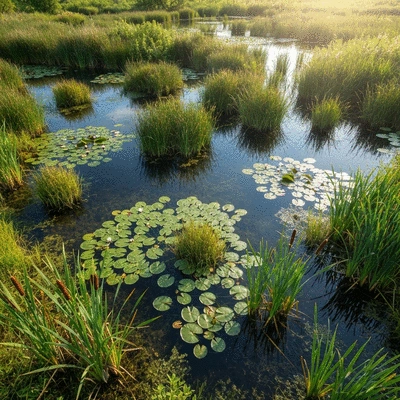
The Importance of Native Plants in Ecosystem Restoration
Native wetland plants are essential for restoring ecological balance. These plants have adapted to local conditions over thousands of years, making them resilient to the specific environmental stresses that invasive species often exploit. By reestablishing native vegetation, we support the restoration of hydrology, soil stability, and overall biodiversity. The National Seed Strategy for Rehabilitation and Restoration emphasizes the critical role of native plant materials in ensuring ecosystem resilience and successful restoration outcomes (Source: BLM).
- Enhances habitat for local wildlife
- Improves soil health and water filtration
- Increases resilience against climate change
- Supports local pollinators and food webs
By focusing on native plants, we can create a robust foundation for ecosystem restoration that promotes long-term sustainability. The interplay between native species and their environment is crucial to maintaining the health of our wetlands.
Biodiversity and Its Role in Wetland Resilience
Biodiversity is not just a buzzword; it’s a key component of resilient wetland ecosystems. A diverse plant community can buffer the effects of environmental stressors, such as drought or flooding, making wetlands more resilient to change. As I work with various restoration projects, I often emphasize the importance of biodiversity, as a rich tapestry of species can offer better protection against invasive threats. The National Academies of Sciences, Engineering, and Medicine provide extensive research on the value of biodiversity in maintaining ecosystem services and resilience (Source: National Academies).
- Promotes genetic diversity
- Enhances ecosystem services
- Facilitates adaptive responses to environmental changes
- Improves the overall health of the ecosystem
By prioritizing biodiversity in restoration efforts, we ensure that wetlands not only survive but thrive in the face of challenges. In the following sections, we will discuss proactive strategies for managing invasive species and how to effectively implement native plant establishment practices.
Pro Tip
Did you know? Incorporating a diverse array of native plant species not only enhances the resilience of wetland ecosystems but also creates a more visually appealing landscape. Aim to plant a mix of species that bloom at different times throughout the year. This strategy supports various pollinators and wildlife while ensuring that your restoration efforts contribute to a thriving ecosystem year-round.
Evaluating the Impact of Native Plant Establishment on Wetland Health
Restoring wetlands is not just about planting native species; it's vital to evaluate their impact on the overall health of these ecosystems. In my experience at Wetland Restoration, I’ve found that understanding the effectiveness of native plant establishment can significantly influence long-term ecological sustainability. This evaluation can guide future efforts and help secure funding for ongoing projects!
One effective way to assess the impact is through a cost-benefit analysis of various invasive species management techniques. By comparing the costs of removal efforts to the restoration benefits, we gain valuable insights into the best practices for managing our wetland ecosystems.
Cost-Benefit Analysis of Invasive Species Management Techniques
When considering the various techniques for invasive species management, it’s crucial to analyze both the costs incurred and the benefits reaped. This analysis allows us to prioritize methods that yield the most significant ecological improvements. Here are key components to consider:
- Direct costs of invasive species removal, including labor, equipment, and materials.
- Indirect costs, such as potential impacts on local wildlife during removal efforts.
- Long-term benefits of restored habitats, including improved water quality and biodiversity.
- Economic advantages from increased recreational opportunities and ecosystem services.
By systematically evaluating these aspects, land managers can make informed decisions that serve both ecological and economic objectives.
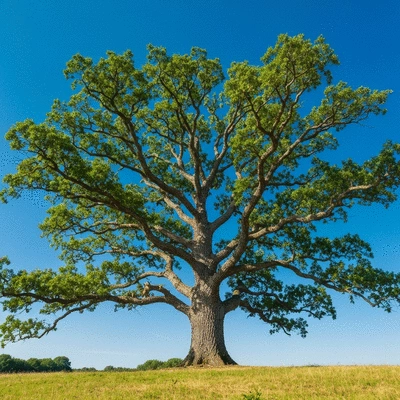
Long-Term Return on Investment in Ecological Restoration
Investing in ecological restoration, particularly through the establishment of native plants, delivers profound long-term returns. As an environmental scientist, I’ve witnessed firsthand the resilience these plants bring to wetland ecosystems. Consider the following benefits:
- Enhanced biodiversity, providing habitats for a variety of species.
- Improved water filtration and flood regulation through established root systems.
- Increased carbon sequestration, contributing to climate change mitigation.
- Community engagement, fostering stewardship and local involvement in restoration projects.
These returns not only support ecological health but can also pave the way for sustainable funding sources, such as grants and community partnerships.
Measuring Species Diversity in Restoration Projects
Monitoring species diversity is a critical component of evaluating the success of restoration efforts. Tracking the variety and abundance of plants and wildlife can offer insights into the resilience of the ecosystem. Here are effective ways to measure species diversity:
- Conducting biodiversity surveys before and after restoration efforts.
- Using indices like the Shannon Index or Simpson’s Diversity Index to quantify diversity levels.
- Engaging community volunteers in citizen science projects to collect data.
- Collaborating with local universities to analyze long-term ecological data.
By focusing on these measurement techniques, we can ensure that our restoration projects are not only impactful but also sustainable for future generations!
Taking Action: Tools and Resources for Effective Management
As we continue to work on wetland restoration, having the right tools and resources is essential for effective management. At Wetland Restoration, we’re committed to providing accessible resources that empower both professionals and enthusiasts in their efforts. Let's explore some of the most valuable tools available!
Integrated Management Plan Templates and Checklists
Creating an integrated management plan is crucial for the success of any restoration project. I recommend utilizing management plan templates and checklists that can streamline your processes. Here are some elements to include:
- Site assessment results: Document existing conditions and identify invasive species.
- Goals and objectives: Establish clear, measurable outcomes for your restoration efforts.
- Action steps: Outline specific steps for both removal of invasives and planting of natives.
- Monitoring and evaluation plans: Detail how you will track progress and adjust strategies as needed.
These templates not only save time but ensure comprehensive planning for successful outcomes.
Accessing Visual Data: Infographics and Treatment Success Metrics
Visual data can significantly enhance understanding and communication of restoration efforts. Infographics can convey complex information in a user-friendly format. Here are a few ways to utilize visual data:
- Create infographics to illustrate the benefits of native plants vs. invasives.
- Develop maps showcasing areas of success and ongoing challenges.
- Use graphs to display treatment success metrics, showing trends over time.
- Share visuals on social media to engage the community and raise awareness.
By incorporating visual data, we can better communicate the importance of our conservation efforts.
Environmental Policy Guidelines for Wetland Conservation
Staying informed about environmental policy is vital for effective wetland management. Understanding the guidelines surrounding wetland conservation can help streamline your efforts. Here are important policies to consider:
- The Clean Water Act: This act regulates discharges into waters and is crucial for protecting wetland health.
- Endangered Species Act: This ensures that restoration projects consider the needs of threatened species.
- Local land use regulations: Be aware of zoning laws and regulations that affect wetland areas.
- Incentives for conservation: Investigate grants and funding opportunities available for restoration projects.
By familiarizing yourself with these policies, you can more effectively navigate the complexities of wetland restoration!
Looking Ahead: Sustaining Efforts in Invasive Species Management
Sustaining efforts in invasive species management is crucial for long-term success in wetland restoration. This involves fostering community partnerships, continuous learning, and incorporating climate resilience. Let's look at how we can ensure our efforts endure!
Building Community Partnerships for Ongoing Monitoring
Partnerships with local organizations and community members play a vital role in sustaining restoration efforts. Collaborating with these groups can enhance monitoring and engagement. Here are some ideas to foster these partnerships:
- Host workshops and training sessions to educate community members about wetland restoration.
- Create volunteer programs that involve local residents in monitoring efforts.
- Develop partnerships with schools to promote environmental education among students.
- Engage with local businesses to support initiatives and share resources.
By building these connections, we can ensure that restoration efforts are supported and sustained over time!
Encouraging Continuous Learning and Adaptation in Wetland Management
Wetland management is an evolving field, and staying informed is essential. Continuous learning can help us adapt to new challenges and improve our strategies. Consider the following approaches:
- Attend conferences and workshops to stay up-to-date on the latest research and techniques.
- Participate in online forums and networks focused on wetland restoration.
- Share findings from your projects with the community to foster collaborative learning.
- Explore partnerships with academic institutions for research opportunities.
By prioritizing learning, we can enhance the effectiveness of our management efforts and remain resilient to challenges!
Incorporating Climate Resilience in Future Strategies
As we look to the future, it’s critical to integrate climate resilience into our wetland management plans. Climate change poses significant threats to wetlands, but we can prepare for these impacts. Here are key considerations:
- Assess potential impacts of climate change on local wetland ecosystems.
- Adapt planting strategies to include species that will thrive under changing conditions.
- Monitor water levels to ensure proper hydrology is maintained even during extreme weather events.
- Promote habitat diversity to enhance ecosystem adaptability to climate shifts.
By incorporating these strategies, we can build more resilient wetland ecosystems that withstand the test of time!
Frequently Asked Questions (FAQs)
- What are the main impacts of invasive species on wetlands?
- Invasive species disrupt wetland ecosystems by altering nutrient cycling, reducing habitat for native species, impairing water quality, and increasing flood risks.
- How do native plants contribute to wetland restoration?
- Native plants enhance habitat for local wildlife, improve soil health and water filtration, increase resilience against climate change, and support local pollinators and food webs.
- Why is biodiversity important for wetland resilience?
- Biodiversity promotes genetic diversity, enhances ecosystem services, facilitates adaptive responses to environmental changes, and improves the overall health of the ecosystem, making wetlands more resilient to stressors.
- What is a cost-benefit analysis in the context of invasive species management?
- A cost-benefit analysis evaluates the direct and indirect costs of invasive species removal against the long-term ecological and economic benefits of restored habitats, helping to prioritize effective management techniques.
- How can the success of wetland restoration projects be measured?
- Success can be measured by monitoring species diversity through biodiversity surveys, using ecological indices (like Shannon or Simpson's Diversity Index), engaging community volunteers in data collection, and collaborating with academic institutions for long-term ecological data analysis.
- What role do community partnerships play in wetland restoration?
- Community partnerships are vital for sustaining restoration efforts by facilitating ongoing monitoring, educating local residents, promoting environmental stewardship, and leveraging resources through collaboration with schools and local businesses.
- How can climate resilience be incorporated into wetland management?
- Incorporating climate resilience involves assessing potential climate change impacts, adapting planting strategies with climate-resilient species, monitoring water levels to maintain proper hydrology, and promoting habitat diversity to enhance ecosystem adaptability.
Recap of Key Points
Here is a quick recap of the important points discussed in the article:
- Invasive species disrupt wetland ecosystems by reducing biodiversity, impairing water quality, and altering nutrient cycling.
- Native wetland plants enhance habitat for wildlife, improve soil health, and increase resilience against climate change.
- Biodiversity plays a key role in wetland resilience, buffering ecosystems against environmental stressors.
- Conducting cost-benefit analyses of invasive species management techniques helps prioritize effective methods.
- Long-term investments in ecological restoration through native plant establishment yield significant ecological and economic benefits.
- Monitoring species diversity is essential to evaluate the success of restoration efforts.
- Building community partnerships and encouraging continuous learning are critical for sustaining restoration efforts.
- Incorporating climate resilience into wetland management plans prepares ecosystems for future challenges.

Marina L. Hargrove
Marina L. Hargrove is a dedicated environmental scientist and educator with over a decade of experience in wetland restoration and conservation. With a background in ecology and a passion for sustainable practices, Marina shares her expertise through comprehensive guides and insights aimed at promoting effective habitat design and native plant ecology. Her mission is to empower professionals and enthusiasts alike to contribute to the preservation and restoration of our vital wetland ecosystems.
Popular Posts
Native Plants in Wetland Restoration
![Case Studies: Successful Wetland Restoration Projects Driven by Native Plant Ecology]() What if the success of your next environmental project hinged on a deeper understanding of local eco
What if the success of your next environmental project hinged on a deeper understanding of local eco
 What if the success of your next environmental project hinged on a deeper understanding of local eco
Restoring Wetlands for Wildlife Habitat
![Wetland Restoration for Wildlife Habitat: Targeted Management for Amphibians, Birds, and Fish]() When we think about the future of our ecosystems, wetlands often come to mind as unsung heroes in bi
When we think about the future of our ecosystems, wetlands often come to mind as unsung heroes in bi
 When we think about the future of our ecosystems, wetlands often come to mind as unsung heroes in bi
Effective Wetland Monitoring Strategies
![Wetland Habitat Monitoring and Adaptive Management: Tools and Strategies for Long-Term Success]() What drives the restoration of wetland ecosystems? It’s a blend of understanding, monitoring, and
What drives the restoration of wetland ecosystems? It’s a blend of understanding, monitoring, and
 What drives the restoration of wetland ecosystems? It’s a blend of understanding, monitoring, and
Native Plants for Wetland Restoration
![Native Plant Propagation for Wetland Restoration: Seed Collection, Growing, and Planting Techniques]() Did you know that incorporating native plants in wetland restoration can significantly improve biodi
Did you know that incorporating native plants in wetland restoration can significantly improve biodi
 Did you know that incorporating native plants in wetland restoration can significantly improve biodi
