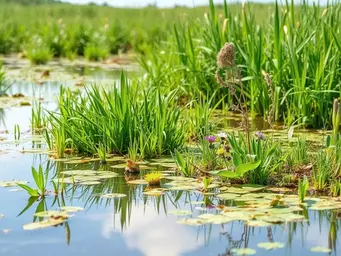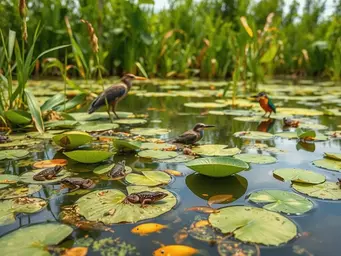
Enhancing Wetlands with Islands

Incorporating Islands and Microhabitats in Wetland Design to Enhance Species Richness

What if the key to preserving our wetlands lies in understanding the roles of islands and microhabitats? These often-overlooked elements play a vital part in enhancing biodiversity and ecosystem resilience. Let’s explore the significant insights this article provides for wetland conservation and management.

What You Will Learn

  • Islands in wetlands act as refuges for various species, contributing to ecological diversity.
  • Microhabitats create unique conditions that support specific organisms, enhancing overall habitat complexity.
  • Larger and less isolated islands typically harbor higher species richness, emphasizing the importance of size and connectivity in habitat design.
  • Microhabitats provide essential ecosystem services, such as water filtration and flood mitigation, crucial for both the environment and human well-being.
  • Incorporating these elements into restoration projects fosters greater biodiversity and ecosystem resilience against environmental stresses.
  • Engaging local communities in restoration efforts can enhance support and adaptability, ensuring successful long-term outcomes.

The Crucial Role of Islands and Microhabitats in Wetland Ecosystems

This visual highlights the distinct yet interconnected roles of Islands, Microhabitats, and Climate Resilience in fostering biodiversity and ensuring the long-term health of wetland ecosystems.

Islands: Refuges for Biodiversity

  • Size Matters: Larger islands support more species.
  • Isolation Effect: Unique species on isolated islands.
  • Refuge Areas: Protect species during environmental changes.

Microhabitats: Ecosystem Service Providers

  • Water Quality: Filter pollutants.
  • Habitat Diversity: Support various species.
  • Flood Mitigation: Absorb excess water.

Integrating Climate Resilience into Wetland Planning

  • Adaptive Management: Respond to changing conditions.
  • Climate Models: Predict potential impacts.
  • Design for Flexibility: Allow natural adjustments.
  • Diverse Native Species: Enhance resilience to climate variability.

Understanding the Role of Islands and Microhabitats in Wetland Ecosystems

Wetlands are fascinating ecosystems, where the dynamic interplay of water, soil, and vegetation creates a mosaic of habitats. Among these habitats, islands and microhabitats play crucial roles in supporting biodiversity and enhancing ecological functions. In this section, we will delve into defining these essential components, exploring their significance in maintaining a rich array of species within wetland environments.

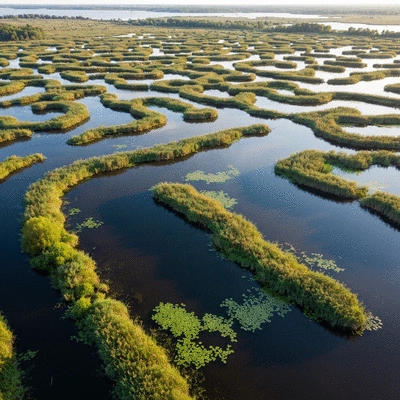
Aerial view of a diverse wetland ecosystem with small islands and varying water depths, no text, no words, no typography, 8K, natural lighting

By understanding how islands and microhabitats contribute to wetland ecosystems, we can better appreciate their importance in conservation and restoration efforts. This knowledge helps guide our practices at Wetland Restoration as we aim to empower professionals and enthusiasts alike in their efforts to preserve these vital landscapes.

Defining Islands and Microhabitats within Wetlands

Islands in wetland ecosystems are often small landforms surrounded by water, serving as important refuges for various plant and animal species. Microhabitats, on the other hand, refer to smaller, localized areas within a habitat that provide specific conditions favorable for certain organisms. These can include variations in moisture, light, and substrate composition, creating unique niches for diverse wildlife.

  • Islands: These can be natural or artificially created land areas that support distinct biological communities.
  • Microhabitats: Examples include shaded areas under shrubs, patches of different soil types, or variations in water depth.
  • Importance: Both islands and microhabitats contribute to ecological diversity and resilience in wetland systems.

By incorporating these elements into restoration projects, we can foster greater biodiversity and enhance the resilience of wetland ecosystems, making them more capable of withstanding environmental stresses.

Exploring Island Biogeography: A Key to Species Richness

The concept of island biogeography helps us understand how the size, isolation, and characteristics of islands affect the diversity of species found within them. Larger islands typically support more species due to a greater variety of habitats and resources. Conversely, smaller islands may host fewer species but can still contribute significantly to local biodiversity. Understanding these dynamics is critical for effective wetland management, as highlighted in reports on environmental impact assessments for wetland projects.

  • Size Matters: Larger islands can accommodate a broader range of species due to more available niches.
  • Isolation Effect: Islands that are isolated from the mainland may host unique species not found elsewhere.
  • Diversity Patterns: Understanding these patterns allows us to design more effective wetland restoration projects that enhance biodiversity.

At Wetland Restoration, we recognize the importance of these principles when designing habitats that promote biodiversity. By analyzing the biogeographical dynamics at play, we can create more robust and resilient wetland ecosystems.

Evaluating Ecosystem Services Provided by Wetland Microhabitats

Microhabitats within wetlands provide a range of ecosystem services that are essential for both the environment and human well-being. These services include water filtration, flood protection, and habitat for wildlife, which all contribute to the overall health of the ecosystem. For example, the restoration of wetlands and barrier islands in the Gulf of Mexico demonstrates their crucial role in storm protection and supporting diverse species.

  • Water Quality Improvement: Microhabitats can filter pollutants and sediments, improving the overall quality of water.
  • Habitat Diversity: They support a variety of species, enhancing the ecological richness of wetlands.
  • Flood Mitigation: By absorbing excess water, they help reduce flooding and protect surrounding areas.

By recognizing and valuing these ecosystem services, we can advocate for the protection and restoration of microhabitats within wetlands, ensuring they continue to support diverse species and provide necessary ecological functions.

Pro Tip

To maximize the ecological benefits of islands and microhabitats in wetland restoration, consider creating diverse microhabitats within your project. This can be achieved by varying water depths, substrate types, and vegetation cover. Such diversity not only supports a wider range of species but also enhances the ecosystem's resilience to environmental changes.

Frequently Asked Questions About Wetland Islands and Microhabitats

Q: What are islands in wetland ecosystems?
A: Islands in wetlands are small landforms surrounded by water that serve as vital refuges for various plant and animal species, contributing to ecological diversity.
Q: How do microhabitats enhance wetland ecosystems?
A: Microhabitats are localized areas within a wetland that provide specific conditions (e.g., variations in moisture, light, substrate) favorable for certain organisms, thus supporting unique species and increasing overall habitat complexity.
Q: Why is island biogeography important for wetland conservation?
A: Island biogeography helps explain how the size and isolation of islands influence species diversity. Understanding these patterns is crucial for designing effective wetland restoration projects that maximize biodiversity.
Q: What ecosystem services do microhabitats provide?
A: Microhabitats offer essential ecosystem services such as water filtration (improving water quality), habitat diversity (supporting a variety of species), and flood mitigation (absorbing excess water).
Q: How can climate resilience be integrated into wetland planning?
A: Integrating climate resilience involves implementing adaptive management strategies, utilizing climate models to predict impacts, designing for flexibility, and incorporating diverse native species that can withstand climate variability.

Summarizing the Impact of Islands and Microhabitats on Wetland Species Richness

The intricate interplay of islands and microhabitats shapes the biodiversity within wetland ecosystems. As I’ve explored in my work with Wetland Restoration, these features not only provide essential habitats for various species but also enhance the overall resilience of the ecosystem. Understanding their roles is crucial for wetland planners and engineers, especially when aiming to foster rich biodiversity.

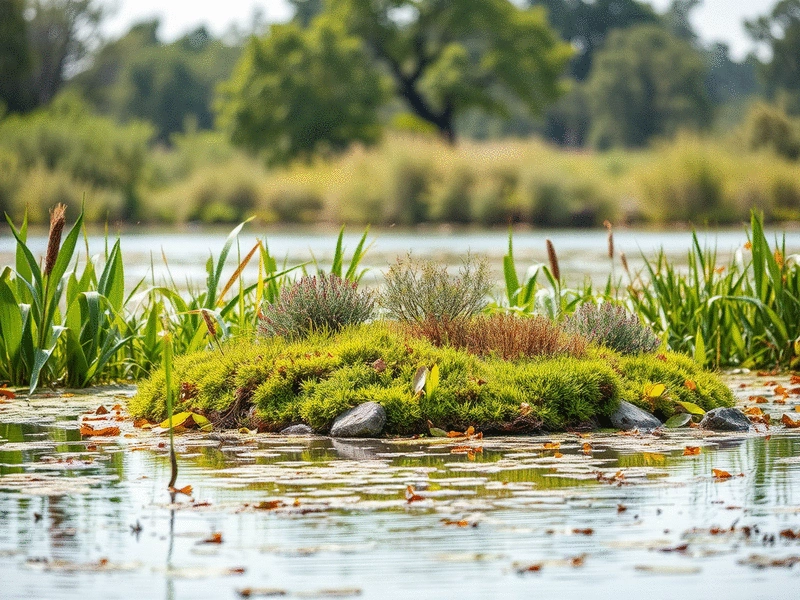
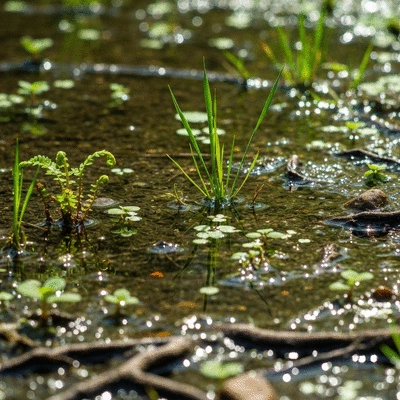
Close-up of diverse wetland microhabitat with small plants, water, and varied substrate, no text, no words, no typography, 8K, natural lighting

Recognizing how islands can serve as refuge areas during environmental changes is vital. They create unique ecological niches that promote species diversity, ensuring that wetland areas remain vibrant and productive. As such, focusing our restoration efforts on these features can lead to successful long-term outcomes for our wetlands.

Key Takeaways for Wetland Planners and Engineers

  • Incorporate islands and microhabitats into wetland designs to enhance species richness.
  • Prioritize habitat complexity over sheer area to foster diverse ecological interactions.
  • Recognize the significance of water-level gradients and substrate variation in promoting biodiversity.
  • Engage with local communities to ensure that restoration efforts are well-supported and adaptive.

These takeaways can serve as a roadmap for developing sustainable wetland habitats. By focusing on these elements, we can achieve a more resilient ecosystem that thrives despite ongoing environmental challenges.

The Future of Wetland Design: Emphasizing Biodiversity and Resilience

Looking ahead, it's clear that our approach to wetland design must evolve to address emerging environmental concerns. We need to emphasize biodiversity and resilience to ensure that these vital ecosystems can withstand changes brought on by climate variability. Integrating principles of habitat heterogeneity, along with the strategic creation of islands and microhabitats, will be essential. The importance of proactive management is further underscored by initiatives such as New Jersey's efforts in restoring coastal wetlands for enhanced storm protection and ecological health.

As I continue my work, I envision a future where every wetland project reflects a commitment to ecological balance. This means designing wetlands that not only restore the natural landscape but also support diverse flora and fauna that are crucial for ecological health.

Integrating Climate Resilience into Wetland Planning and Management

To truly enhance the resilience of wetland ecosystems, we must integrate climate resilience into our planning and management strategies. This involves understanding how climate change impacts hydrology, species distributions, and overall ecosystem functions. By anticipating these challenges, we can proactively design wetlands that are better equipped to adapt.

  • Implement adaptive management strategies to respond to changing environmental conditions.
  • Utilize climate models to predict potential impacts on wetland areas.
  • Design for flexibility, allowing ecosystems to adjust naturally to alterations.
  • Incorporate diverse native species that are resilient to climate variability.

This integration is not just beneficial; it's necessary for the survival of our wetlands in a rapidly changing world. At Wetland Restoration, I am committed to sharing knowledge and resources that empower professionals to take these vital steps toward sustainable wetland management.

Recap of Key Points

Here is a quick recap of the important points discussed in the article:

  • Islands and microhabitats are vital for enhancing biodiversity in wetland ecosystems.
  • Understanding island biogeography helps in designing effective wetland restoration projects.
  • Microhabitats provide essential ecosystem services like water filtration and flood mitigation.
  • Incorporating habitat complexity and engaging with local communities are key strategies for successful wetland planning.
  • Integrating climate resilience into wetland designs is crucial for adapting to environmental changes.
About !author

Marina L. Hargrove

Marina L. Hargrove is a dedicated environmental scientist and educator with over a decade of experience in wetland restoration and conservation. With a background in ecology and a passion for sustainable practices, Marina shares her expertise through comprehensive guides and insights aimed at promoting effective habitat design and native plant ecology. Her mission is to empower professionals and enthusiasts alike to contribute to the preservation and restoration of our vital wetland ecosystems.
Popular Posts

Effective Wetland Monitoring Strategies Wetland Habitat Monitoring and Adaptive Management: Tools and Strategies for Long-Term Success What drives the restoration of wetland ecosystems? It’s a blend of understanding, monitoring, and
Native Plants for Wetland Restoration Native Plant Propagation for Wetland Restoration: Seed Collection, Growing, and Planting Techniques Did you know that incorporating native plants in wetland restoration can significantly improve biodi
Enhancing Wetlands with Islands Incorporating Islands and Microhabitats in Wetland Design to Enhance Species Richness What if the key to preserving our wetlands lies in understanding the roles of islands and microhabit
Establishing Native Plants for Control Managing Invasive Species Through Strategic Native Wetland Plant Establishment What if the key to restoring our precious wetlands lies not just in removal but in the reestablishme