Passive vs. Active Wetland Restoration

Passive vs. Active Wetland Restoration Approaches: Choosing the Right Method for Your Site

Choosing the right method for wetland restoration can be a pivotal decision that impacts the success of your project. Are you more inclined to let nature heal itself, or do you believe in taking direct action? This guide will clarify the essential strategies to consider when embarking on such an important environmental journey.

What You Will Learn

  • The fundamental differences between passive and active wetland restoration methods.
  • How passive restoration can promote natural recovery while being cost-effective.
  • The benefits of active restoration for enhancing water quality and habitat provision.
  • Key factors to assess when choosing the right restoration method for your specific site.

Wetland Restoration Methods: Passive vs. Active

A comparative overview of passive and active wetland restoration approaches, highlighting their characteristics, costs, and timelines.

Passive Restoration

  • Minimal human intervention
  • Relies on natural regeneration
  • Often more cost-effective
  • Longer time to visible results

Active Restoration

  • Direct human intervention
  • Planting, removing invasives, hydrology modification
  • Significant upfront investment
  • Quicker visible changes

Understanding Wetland Restoration: Passive vs. Active Approaches

Wetland restoration is a fascinating field where we can either intervene directly or let nature take its course to heal itself. This leads us to two primary methods: passive and active wetland restoration. Each approach has its unique characteristics and potential benefits, depending on the context of the restoration site.

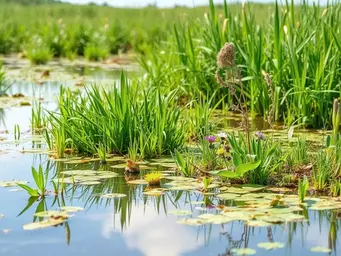
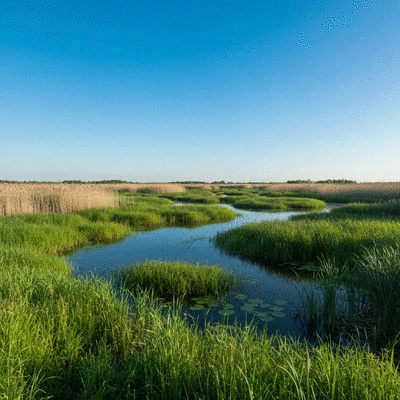
Lush wetland landscape showing natural regeneration with minimal human impact, clear blue sky, no text, no words, no typography, 8K, natural lighting

Passive restoration involves minimal human intervention. In this method, we allow natural processes to reclaim the area over time, fostering resilience and supporting species recovery without directly manipulating the environment. On the other hand, active restoration requires us to take a hands-on approach, such as planting native species, removing invasive plants, or modifying hydrology to restore ecological functions.

What Are Passive and Active Wetland Restoration Methods?

To better understand these approaches, let's break down their key characteristics:

  • Passive Restoration: Relies on natural regeneration, allowing ecosystems to buffer and recover naturally. For more details on the processes involved in natural recovery, you can refer to insights on ecosystem recovery mechanisms.
  • Active Restoration: Involves direct intervention, such as planting or soil amendment to jumpstart ecosystem recovery.
  • Cost Implications: Passive methods can often be more cost-effective, while active approaches may require significant upfront investments.
  • Time Frame: Passive restoration may take longer to yield visible results, whereas active restoration can show quicker changes.

Understanding these differences is crucial for selecting the right method for your specific project. Each approach has its own set of advantages and challenges, and recognizing them can enhance the chances of successful outcomes in wetland restoration.

Why Choosing the Right Restoration Method Matters

The choice between passive and active restoration methods can significantly influence the success of a project. Site-specific conditions—like existing biodiversity, local climate, and potential ecosystem services—play a pivotal role in determining which strategy to employ. Research highlights the importance of tailored approaches for effective wetland restoration outcomes.

  • Biodiversity Enhancement: Choosing the right method can lead to greater species diversity recovery.
  • Cost Efficiency: Understanding local conditions allows for better budgeting and resource allocation.
  • Ecosystem Services: Selecting the appropriate approach can optimize benefits like water filtration and flood mitigation.

When we carefully consider these factors, we set the stage for a more effective and sustainable restoration effort. The implications of our choices resonate through the ecological health of the wetlands we seek to restore.

The Role of Ecosystem Services in Restoration Decisions

Ecosystem services are the benefits that humans derive from well-functioning ecosystems, and they are fundamental in guiding our restoration choices. When deciding between passive and active methods, it's essential to reflect on how these services will be affected.

  • Water Quality: Active restoration can enhance filtration and reduce pollutants more rapidly than passive efforts.
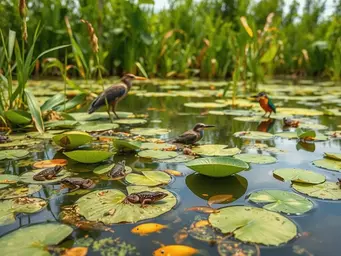
  • Habitat Provision: Both methods can support wildlife, but active approaches may create immediate habitats for certain species.
  • Carbon Sequestration: Restoring wetlands, particularly through active methods, can significantly contribute to climate change mitigation. The ecological benefits of wetland restoration, including carbon sequestration, are well-documented.

Understanding how these services influence restoration decisions not only enhances our effectiveness but also reinforces our responsibility to create resilient ecosystems. At Wetland Restoration, we emphasize the importance of aligning our methods with the ecosystem services that are most needed in each unique context.

Comparative Effectiveness of Passive and Active Wetland Restoration

Now that we've outlined the different approaches to wetland restoration, let's dive into how effective each can be in practice. Understanding their comparative effectiveness can help us make informed decisions about which strategies to implement.

Frequently Asked Questions About Wetland Restoration

Q: What is the main difference between passive and active wetland restoration?
A: Passive restoration relies on natural processes with minimal human intervention, while active restoration involves direct human actions like planting native species or modifying hydrology.
Q: Is passive restoration always more cost-effective?
A: Passive methods are often more cost-effective due to less human intervention and material costs, but their effectiveness depends on the site's ability to naturally regenerate.
Q: How long does passive restoration take to show results?
A: Passive restoration typically takes a longer time to yield visible results compared to active restoration, as it depends on natural ecological processes.
Q: When should active restoration be considered over passive restoration?
A: Active restoration is usually preferred for severely degraded sites where natural recovery is unlikely or too slow, or when specific ecological functions need to be restored rapidly.
Q: How do ecosystem services influence the choice of restoration method?
A: Ecosystem services like water quality, habitat provision, and carbon sequestration are crucial factors. Active methods might be chosen if specific services need to be enhanced quickly, while passive methods allow for natural development of these services over time.

We Want to Hear From You!

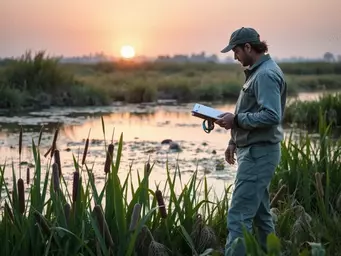
As you consider the impacts of wetland restoration, we want to know: Which method do you believe is more effective in promoting ecological health—passive or active restoration? Share your thoughts below:

Summarizing Key Insights on Wetland Restoration Approaches

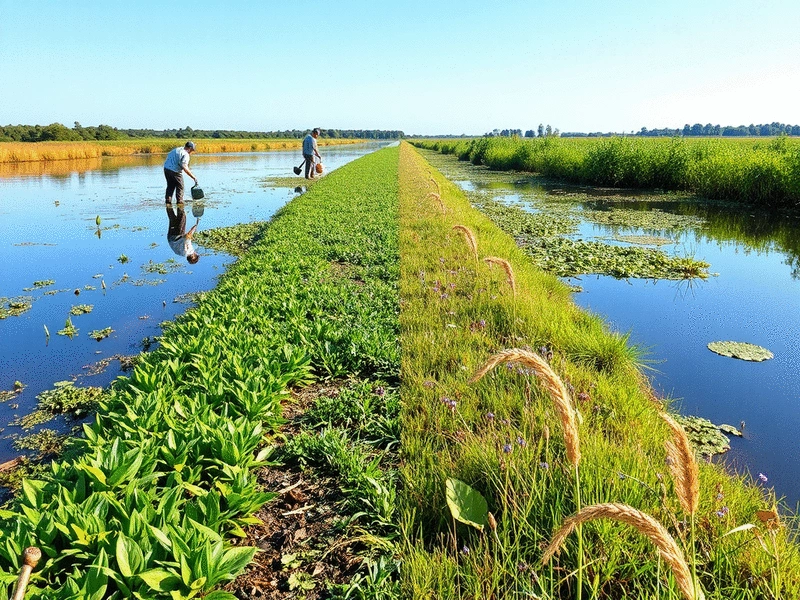
As we wrap up our exploration of wetland restoration methods, it's crucial to reflect on the key insights regarding passive and active restoration approaches. Each method has its distinct characteristics, advantages, and challenges, shaped largely by the specific context of the restoration site. Active methods often involve direct human intervention, such as planting native species or constructing hydrologic features, while passive methods leverage natural processes to restore ecosystems without extensive human involvement.

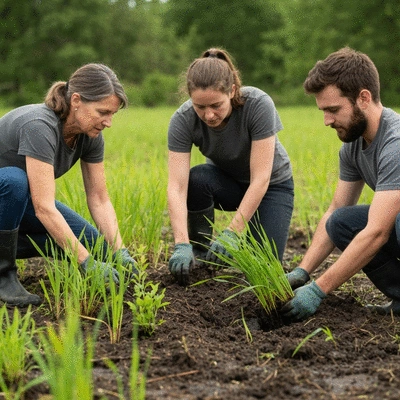
Team of environmental scientists actively planting native species in a wetland, hands-on, focus on restoration efforts, no text, no words, no typography, 8K, natural lighting

Ultimately, the choice between these approaches should be informed by a thorough understanding of the site’s ecological and hydrological characteristics. For instance, passive restoration might be more suitable in areas where natural recovery processes can thrive, while active restoration may be necessary in severely degraded sites. In summary, selecting the right method is not a one-size-fits-all solution, and understanding the unique attributes of each site is key to successful restoration efforts.

Taking Action: Choosing the Right Method for Your Site

Now that we've outlined the different wetland restoration approaches and their implications, it's time to encourage you to take action! Utilizing a decision matrix can help simplify the process of assessing your specific site conditions. Here are some steps to guide your decision-making:

  • Assess your site characteristics: Consider factors such as hydrology, soil types, and existing vegetation.
  • Evaluate the history of land use: Understanding past uses can provide insight into what restoration methods may be most effective.
  • Consider your goals: Are you focused on biodiversity enhancement, water quality improvement, or community engagement?
  • Analyze the economic implications: Weigh the costs of both passive and active methods against your available resources.

By reflecting on these considerations and using the decision matrix, you can make informed choices that will support both ecological and economic goals for your restoration project. Remember, your efforts contribute to the broader mission of preserving vital wetland ecosystems, and I’m here to support you every step of the way!

Recap of Key Points

Here is a quick recap of the important points discussed in the article:

  • Passive Restoration: Relies on natural regeneration with minimal human intervention.
  • Active Restoration: Involves direct human actions like planting native species and modifying hydrology.
  • Cost Considerations: Passive methods are often more cost-effective, while active methods may require higher initial investments.
  • Time Frame: Passive restoration may take longer to show results compared to active restoration.
  • Biodiversity and Ecosystem Services: The choice of restoration method can enhance species diversity and optimize ecosystem benefits.
  • Site Assessment: Evaluate site characteristics, land use history, and restoration goals to choose the appropriate method.
About !author

Marina L. Hargrove

Marina L. Hargrove is a dedicated environmental scientist and educator with over a decade of experience in wetland restoration and conservation. With a background in ecology and a passion for sustainable practices, Marina shares her expertise through comprehensive guides and insights aimed at promoting effective habitat design and native plant ecology. Her mission is to empower professionals and enthusiasts alike to contribute to the preservation and restoration of our vital wetland ecosystems.
Popular Posts

Effective Wetland Monitoring Strategies Wetland Habitat Monitoring and Adaptive Management: Tools and Strategies for Long-Term Success What drives the restoration of wetland ecosystems? It’s a blend of understanding, monitoring, and
Native Plants for Wetland Restoration Native Plant Propagation for Wetland Restoration: Seed Collection, Growing, and Planting Techniques Did you know that incorporating native plants in wetland restoration can significantly improve biodi
Enhancing Wetlands with Islands Incorporating Islands and Microhabitats in Wetland Design to Enhance Species Richness What if the key to preserving our wetlands lies in understanding the roles of islands and microhabit
Establishing Native Plants for Control Managing Invasive Species Through Strategic Native Wetland Plant Establishment What if the key to restoring our precious wetlands lies not just in removal but in the reestablishme