Ecological Integrity
Maintaining structure, composition, and function over time:
- Native plant communities
- Healthy water flow & quality
- Diverse wildlife habitats
Foundation
As we delve into the world of wetland restoration, it's essential to grasp the intricate balance these ecosystems maintain. Did you know that wetlands are not only biodiversity hotspots but also play a crucial role in mitigating climate change? Let's explore the key insights that can reshape our understanding and actions toward these vital environments.
Ecological integrity, natural functions, and ecosystem services are the cornerstones of effective wetland restoration. Understanding these elements is vital for creating self-sustaining wetlands.
Maintaining structure, composition, and function over time:
Enhancing ecosystem resilience and adaptability:
Providing indispensable benefits to environment & humans:
Vital for sustainable practices & long-term success:
Wetlands are critical components of our ecosystem, serving as vibrant habitats for diverse flora and fauna while providing essential ecological services. At Wetland Restoration, we believe that understanding the significance of self-sustaining wetlands is the first step in promoting effective restoration practices. These ecosystems not only support biodiversity but also enhance water quality and contribute to climate resilience.
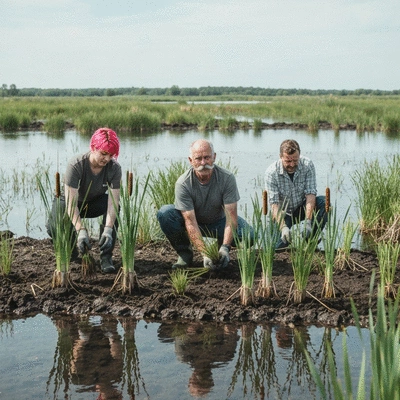
By prioritizing the establishment of self-sustaining wetlands, we can create environments that thrive independently, reducing the need for ongoing human intervention. This approach fosters a natural balance where plants and wildlife can coexist harmoniously, ultimately benefiting both nature and our communities.
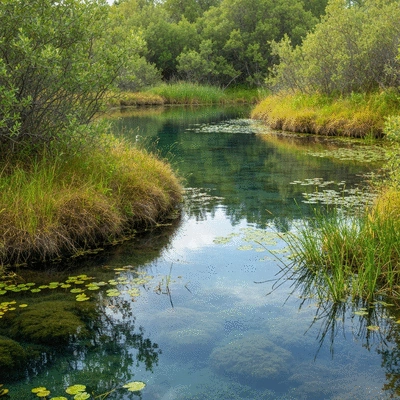
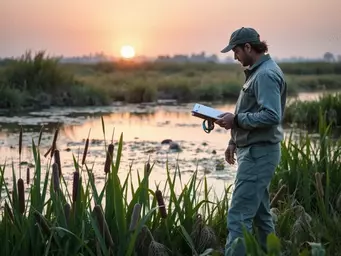
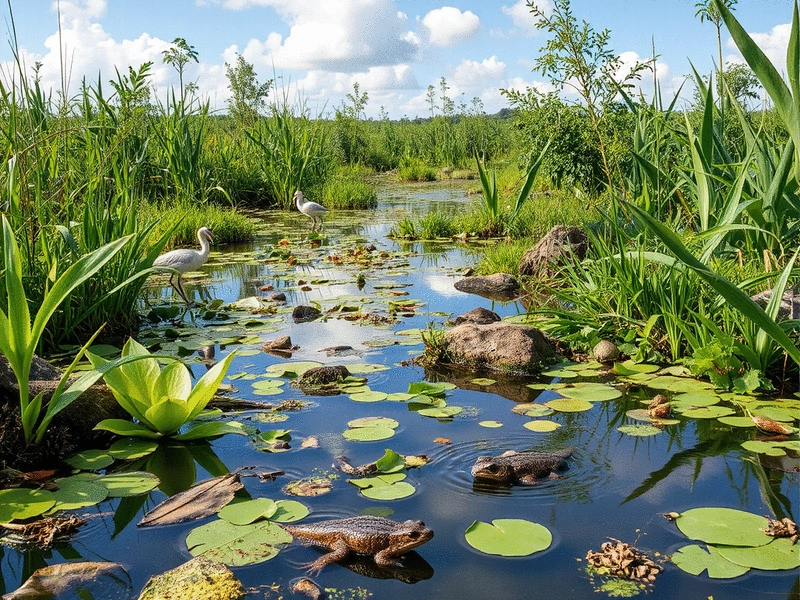
Ecological integrity refers to the ability of a wetland ecosystem to maintain its structure, composition, and function over time. When we aim to restore wetlands, we must focus on achieving this integrity. Key aspects include:
Understanding these components helps us identify the specific needs of an ecosystem and implement targeted restoration strategies. Achieving ecological integrity ensures that our wetlands can recover from disturbances and continue to provide their vital services. More information on innovative approaches to wetland restoration can be found from the US Geological Survey.
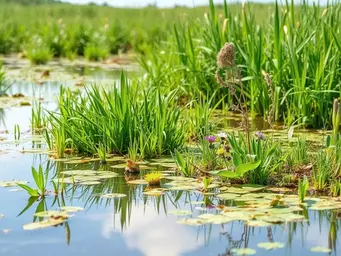
Natural functions, such as hydrology, nutrient cycling, and habitat provision, play a vital role in the resilience of wetlands. By restoring these functions, we can enhance the ability of these ecosystems to adapt to changing environmental conditions. Key natural functions include:
When we focus on these natural functions, we create resilient ecosystems that can withstand disturbances, such as droughts or extreme weather events. Emphasizing natural processes is essential for long-term success in wetland restoration projects.
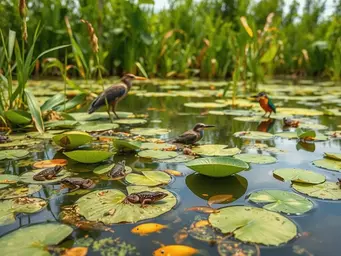
Wetlands provide a myriad of ecosystem services that are indispensable for both the environment and human well-being. Some of the most critical services include:
Recognizing these benefits is crucial for garnering support for wetland conservation efforts. At Wetland Restoration, we strive to educate others about the profound value of wetlands, fostering a collective responsibility to protect these essential ecosystems.
To ensure the long-term success of your wetland restoration project, consider implementing a monitoring system that tracks the health of the ecosystem over time. Regular assessments can help identify any emerging issues, allowing for timely interventions that keep your wetland thriving and self-sustaining.
As we embark on our journey towards effective wetland restoration, it's crucial to have a clear roadmap in place. This involves not only understanding the intricacies of wetland ecosystems but also implementing practical steps that guide you towards successful outcomes. Whether you're a seasoned professional or just starting out, creating a structured plan will enhance your chances of creating a thriving wetland. The USDA Natural Resources Conservation Service offers comprehensive guidelines for wetland restoration criteria.
Here are some key elements to consider when crafting your restoration project roadmap:
By following these steps, you’re not just restoring a wetland; you’re fostering a resilient ecosystem that can thrive for years to come. Remember, as I often remind my students, every restoration project is unique and should be tailored to the specific needs of the environment.
In the world of wetland restoration, having the right resources at your fingertips can make all the difference. From educational materials to practical tools, accessing these resources will empower you to implement best practices effectively. I’ve compiled a list of resources that can be beneficial:
These tools will not only aid in the execution of your project but also ensure that you stay informed about the latest trends and techniques in wetland restoration. At Wetland Restoration, we strive to provide our community with access to valuable resources that support their ongoing success.
Community engagement is a vital component of successful wetland restoration. When local residents and stakeholders get involved, they not only bring valuable insights but also foster a sense of ownership and stewardship over the ecosystem. Here are a few effective strategies to enhance community involvement:
By implementing these strategies, you’re not just restoring a wetland; you’re inspiring a community to actively participate in conservation efforts. As we move forward, let’s encourage everyone to see the value of wetlands and motivate each other to protect these precious ecosystems!
Collaboration is the cornerstone of effective wetland conservation. Engaging local communities can significantly enhance the impact of restoration efforts. Together, we can share knowledge, resources, and insights that lead to better outcomes for our wetlands. When everyone works together, we build a stronger foundation for lasting ecological health.
Consider the following benefits of local collaboration:
By fostering strong collaborations, we lay the groundwork for sustainable practices that benefit not only our wetlands but also our communities. The U.S. Fish & Wildlife Service provides further insights into ecosystem restoration programs.
Inspiring future generations to value wetlands is essential for the long-term success of conservation efforts. Through education and engagement, we can instill a sense of responsibility and appreciation for these vital ecosystems. Here are some ways we can ignite this passion in young minds:
When young people connect with their environment, they’re more likely to become passionate advocates for its protection. At Wetland Restoration, we believe that by nurturing this connection, we can inspire the next generation to lead the charge in conservation efforts.
Education plays a critical role in fostering a culture of conservation. Integrating environmental education into community programs allows us to reach a wider audience and deepen understanding of wetland ecosystems. Here are some effective methods for incorporating environmental education:
By making environmental education accessible and engaging, we empower individuals to take action in their own communities. Together, let's cultivate a strong ethos of conservation that resonates for generations to come!
Here is a quick recap of the important points discussed in the article:
Marina L. Hargrove is a dedicated environmental scientist and educator with over a decade of experience in wetland restoration and conservation. With a background in ecology and a passion for sustainable practices, Marina shares her expertise through comprehensive guides and insights aimed at promoting effective habitat design and native plant ecology. Her mission is to empower professionals and enthusiasts alike to contribute to the preservation and restoration of our vital wetland ecosystems.