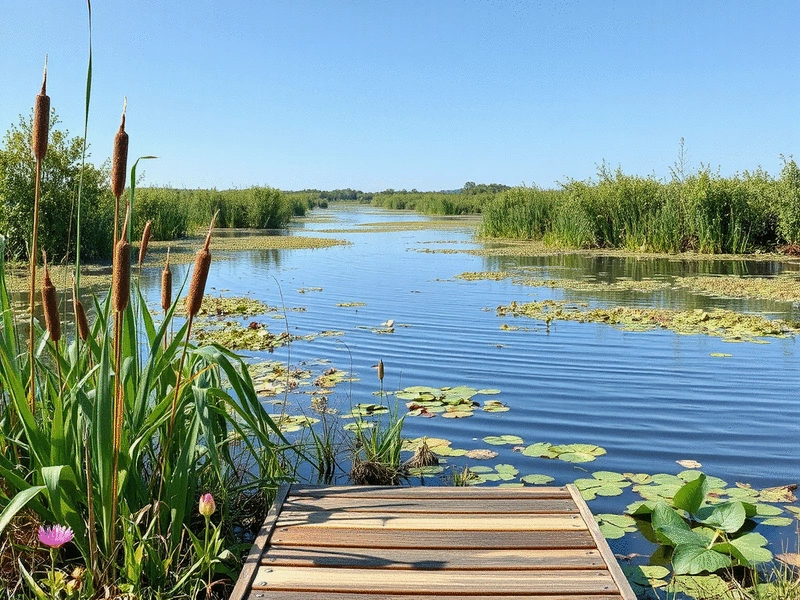
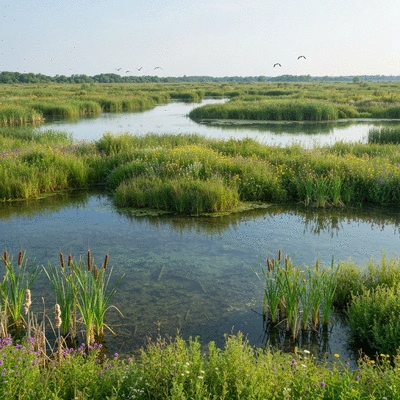
What happens when we prioritize native plants in wetland restoration? The answer lies in a thriving ecosystem that benefits both nature and local communities. By understanding the crucial role of native flora, we can transform our wetlands into resilient habitats that support a diverse range of species.
What You Will Learn
Native plants provide essential erosion control, stabilizing soil with their deep root systems.
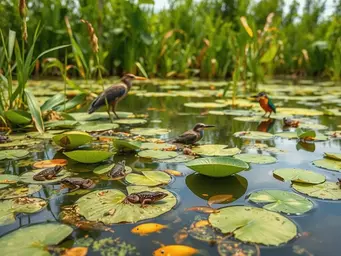
Integrating native flora enhances wildlife habitats, supporting birds, amphibians, and other species reliant on wetlands.
These plants are effective in improving water quality by filtering pollutants and absorbing excess nutrients.
Understanding local hydrology is crucial for selecting appropriate native plant species and ensuring their success.
Engaging with local ecology experts can provide insights that drive innovative and effective restoration solutions.
Adaptive management strategies are essential for ongoing maintenance in response to changing environmental conditions.
Collaboration with local agencies enhances compliance with regulations and aligns restoration efforts with community conservation initiatives.
Integrating Native Flora for Thriving Wetland Ecosystems
Native flora are foundational for resilient wetland habitats, offering critical ecological benefits. The visual below highlights the key advantages and considerations for successful integration in restoration projects.
Key Benefits of Native Flora in Wetlands
Erosion ControlDeep root systems stabilize soil.
Wildlife HabitatEssential for birds, amphibians, and more.
Water QualityFilter pollutants, absorb nutrients.
Climate ResilienceAdapted to local conditions.
Best Practices for Integration
✓Prioritize Native Species: Enhance biodiversity and soil stability.
✓Understand Hydrology: Ensure proper water management for plant health.
✓Adaptive Management: Monitor and adjust to changing conditions.
Key Regulations & Support
●Clean Water Act: Regulates water quality and wetland impacts.
●NEPA: Requires environmental assessments for projects.
●Endangered Species Act: Protects threatened species.
Understanding the Role of Native Flora in Wetland Habitat Design
Integrating native plants in wetland restoration is not just a trend; it's a necessity for creating resilient ecosystems. Native flora provides crucial ecological benefits, such as erosion control and enhanced wildlife habitat. As I’ve learned through my experience in environmental science, these plants are well-adapted to local conditions and support a broader range of species, making them indispensable in wetland design.
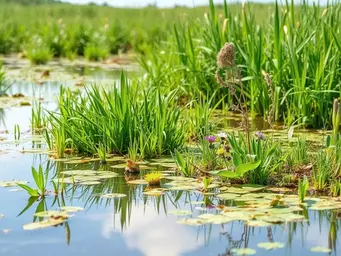
By fostering biodiversity, native plants help maintain the delicate balance of wetland ecosystems. They not only stabilize soil but also improve water quality by filtering pollutants. Imagine a thriving wetland where the roots of native sedges and grasses hold the soil together, preventing erosion while providing food and shelter for various wildlife. This vision can be a reality when we prioritize native flora in our restoration efforts!
Why Integrate Native Plants in Wetland Restoration?
Erosion Control: Native plants have deep root systems that stabilize soil, preventing loss during heavy rains.
Wildlife Habitat: They create essential habitats for birds, amphibians, and other species that rely on wetlands.
Water Quality Improvement: Native plants filter out pollutants and absorb excess nutrients, leading to cleaner water.
Climate Resilience: Adapted to local climates, native species are more resilient to changing environmental conditions.
These benefits not only contribute to the ecological integrity of the site but also enhance the aesthetic value. When planning a restoration project, consider how integrating native plants can lead to lasting environmental improvements.
Key Considerations for Engineers and Land Managers
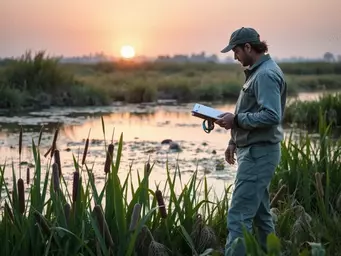
As engineers and land managers work towards restoring wetlands, they encounter unique challenges and opportunities. One of the main challenges is understanding the specific ecological requirements of various native species and their interactions with local hydrology. This is where my passion for sustainable practices comes into play. I encourage professionals to conduct thorough assessments of the site's conditions before selecting plants. The EPA's Guiding Principles for Constructed Treatment Wetlands offer valuable insights into these considerations.
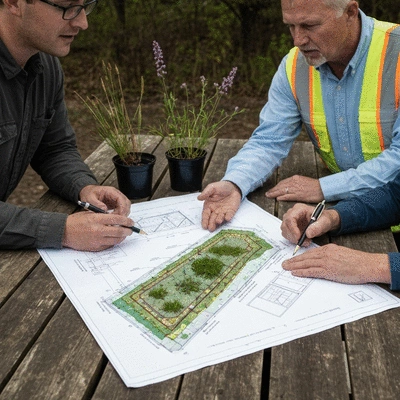
Engaging with local ecology experts can provide invaluable insights into which plants will thrive in a given area. Collaboration is key, as it can unlock innovative solutions that respect the natural systems at play. Consider how different soil types, moisture levels, and light conditions can affect plant growth, and plan accordingly! For further guidance on urban wetland design, refer to resources like the NAWM's Urban Wetland Design Guide.
Ecological Restoration: Enhancing Biodiversity Through Design
Ecological restoration plays a pivotal role in promoting biodiversity. By thoughtfully designing wetland habitats, we can create spaces that encourage a diverse range of species to flourish. A well-designed wetland not only supports local wildlife but also enhances the overall health of the ecosystem.
Consider implementing strategies that promote species diversity, such as creating varying depths and plant zones. This approach allows for a mix of plants that support different wildlife needs. Through careful planning and design, we can ensure that our wetlands serve as thriving ecosystems rather than just functional landscapes. The New York State Department of Environmental Conservation's guidance on freshwater wetlands offers additional context on the importance of these habitats.
Design Principles for Effective Wetland Habitat Integration
When thinking about wetland habitat integration, understanding the underlying design principles is crucial. A successful wetland project requires a comprehensive knowledge of both ecological and hydrological factors.
Quick Summary
Here's a brief recap of the key points discussed so far:
Native Flora Benefits: Native plants play a crucial role in erosion control, wildlife habitat creation, and water quality improvement.
Ecological Restoration: Designing wetlands to enhance biodiversity is essential for creating healthy ecosystems.
Collaboration is Key: Working with local agencies and experts can lead to successful and compliant restoration projects.
Frequently Asked Questions About Native Flora in Wetland Restoration
What are the primary benefits of using native plants in wetland restoration?
Native plants offer several critical benefits, including enhanced erosion control due to their deep root systems, improved water quality by filtering pollutants and absorbing excess nutrients, and the creation of essential habitats for diverse wildlife such as birds and amphibians.
How do native plants contribute to climate resilience in wetlands?
Native species are inherently adapted to local climatic conditions, making them more resilient to environmental changes, including variations in temperature and precipitation. This adaptation helps maintain the stability and health of wetland ecosystems in the face of climate change.
What role does local hydrology play in selecting native plant species for restoration?
Understanding local hydrology—including water levels, flow patterns, and soil moisture—is vital for selecting appropriate native plant species. Different plants have specific water requirements, and matching species to the site's hydrological conditions ensures their successful establishment and long-term survival.
Why is collaboration with local ecology experts important for wetland restoration projects?
Collaborating with local ecology experts provides invaluable insights into the specific ecological requirements of native species and their interactions within the local environment. This expertise helps in selecting the most suitable plants, developing effective restoration strategies, and ensuring project success and sustainability.
What are some key regulations that land managers should be aware of when undertaking wetland restoration?
Key regulations include the Clean Water Act, which governs pollutant discharge and wetland impacts; the National Environmental Policy Act (NEPA), requiring environmental assessments for federal projects; and the Endangered Species Act, protecting threatened species and their habitats, including wetlands. Compliance with these regulations is crucial for ecologically sound projects.
Summarizing Best Practices for Native Flora Integration in Wetlands
As we wrap up our discussion on the integration of native flora in wetland habitats, it's essential to highlight key takeaways for engineers and land managers. The successful restoration and design of wetland ecosystems hinge on a few critical practices:
Prioritize Native Species: Use native plants to promote biodiversity, enhance soil stability, and support local wildlife.
Understand Hydrology: Grasp the hydrological dynamics of the site to ensure proper water management and plant health.
Adaptive Management: Implement flexible strategies for ongoing maintenance and monitoring to respond to changing conditions.
By focusing on these best practices, we set a strong foundation for sustainable wetland restoration that can flourish for years to come. Remember, integrating native flora isn’t just about adding plants; it’s about creating a thriving ecosystem that benefits both nature and the community.
Engaging with Community and Regulatory Resources
Connecting with Local Agencies for Compliance and Support
Collaboration is key when it comes to wetland restoration! I encourage you to connect with local environmental agencies for guidance on regulations and best practices. These collaborations can offer invaluable resources and insights into:
Permitting processes that might affect your project
Local conservation efforts that align with your goals
Workshops or training sessions that can enhance your team's skills
By working together with these organizations, you can ensure that your restoration efforts are not only effective but also compliant with established guidelines.
Building a Support Network for Continued Learning
Engaging with other professionals in the field can significantly enhance your knowledge and resources. Building a support network allows you to:
Share best practices and success stories
Discuss challenges and solutions in real-time
Access new research and innovations in wetland restoration
Networking with peers opens doors to collaborative projects and helps us all learn from each other’s experiences. The field of wetland restoration is ever-evolving, and staying connected ensures we keep pace with new developments!
Understanding Federal Wetland Regulations for Compliance
Compliance with federal regulations is essential for any wetland restoration project. Familiarizing yourself with the following key regulations will help guide your design and management practices:
The Clean Water Act: Governing the discharge of pollutants into waters and regulating wetland impacts.
The National Environmental Policy Act (NEPA): Requiring environmental assessments for federal projects.
The Endangered Species Act: Protecting species threatened by habitat loss, including wetlands.
Understanding these regulations not only ensures compliance but also helps in planning projects that are ecologically sound and supportive of wildlife. As I often remind my colleagues, knowledge is power, especially when it comes to navigating the regulatory landscape of wetland restoration!
Recap of Key Points
Here is a quick recap of the important points discussed in the article:
Prioritize Native Species: Use native plants to promote biodiversity, enhance soil stability, and support local wildlife.
Understand Hydrology: Grasp the hydrological dynamics of the site to ensure proper water management and plant health.
Adaptive Management: Implement flexible strategies for ongoing maintenance and monitoring to respond to changing conditions.
Engage Local Experts: Collaborate with local ecology professionals to select appropriate native species for the restoration project.
Enhance Biodiversity: Design wetland habitats that support a diverse range of species through varying depths and plant zones.
Marina L. Hargrove
Marina L. Hargrove is a dedicated environmental scientist and educator with over a decade of experience in wetland restoration and conservation. With a background in ecology and a passion for sustainable practices, Marina shares her expertise through comprehensive guides and insights aimed at promoting effective habitat design and native plant ecology. Her mission is to empower professionals and enthusiasts alike to contribute to the preservation and restoration of our vital wetland ecosystems.
Wetland Restoration is dedicated to advancing the science and practice of wetland restoration. Our mission is to empower environmental professionals and enthusiasts with comprehensive guides and insights for effective habitat design and native plant ecology.
Start your restoration project by thoroughly assessing existing hydrology. Understanding water flow is fundamental to successful wetland design!
Native plant selection is key! Choose species adapted to local conditions to ensure ecological resilience and minimize maintenance.
Don't overlook soil composition. Healthy soil is the foundation for a thriving wetland ecosystem; test and amend as needed.
Incorporate microtopography. Small variations in elevation create diverse habitats, enriching biodiversity within your restored wetland.
Consider the long-term monitoring plan from the outset. Regular assessment ensures your restoration goals are met and sustained.
Engage local communities! Public involvement can foster stewardship and provide valuable volunteer support for your project.
Think about wildlife corridors. Connecting restored wetlands to existing natural areas can significantly enhance their ecological value.
Manage invasive species proactively. Early detection and removal are critical for preventing them from outcompeting native plants.
Research historical conditions. Understanding the wetland's past can provide crucial insights for guiding its restoration to a natural state.
Secure appropriate permits early in the planning process. Navigating regulations is a vital step for any wetland project.
Embrace adaptive management. Be prepared to adjust your strategies based on monitoring results and changing environmental conditions.
Integrate educational signage. Informing visitors about the wetland's importance fosters appreciation and support for conservation.
Focus on water quality improvements. Wetlands are natural filters; design elements to enhance their capacity to purify water.
Collaborate with experts. Environmental engineers, ecologists, and hydrologists can provide invaluable guidance for complex projects.
Always prioritize ecological function over aesthetics. A truly successful wetland restoration is one that effectively supports biodiversity and ecosystem services!