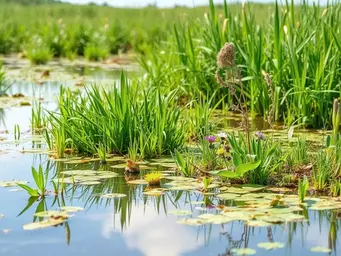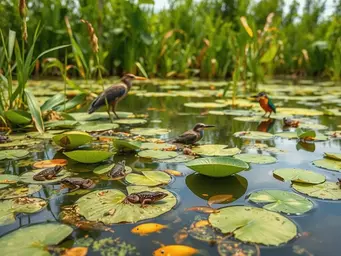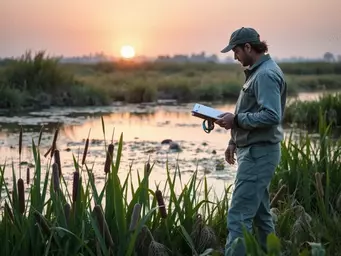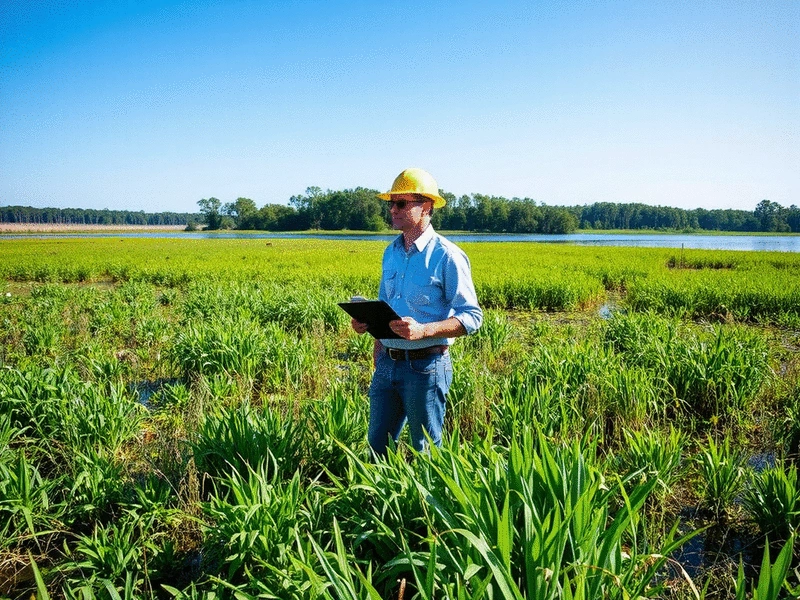
As we delve into the complexities of wetland restoration, consider this: Successful restoration not only revitalizes ecosystems but also strengthens community resilience. Here's what you will take away from exploring the wetland restoration permitting landscape.
What You Will Learn
The critical role of wetland restoration in enhancing biodiversity and climate resilience.
Understanding the necessary permits to ensure compliance with local, state, and federal regulations.
Key provisions of the Wetland Conservation Act that promote sustainable land use and restoration efforts.
Common pitfalls in wetland restoration projects and strategies to avoid them for better outcomes.
The importance of engaging with local and federal agencies for effective project coordination.
Resources and expert consultations that can support your wetland restoration journey.
The necessity of monitoring restoration projects to evaluate ecosystem health and compliance.
Common Pitfalls in Wetland Restoration Permitting
Understanding and avoiding these frequent mistakes can significantly improve project success and compliance.
Pitfall 1Inadequate Site Assessments
Failing to conduct thorough evaluations can lead to misinterpretations of wetland boundaries and project scope.
Pitfall 2Poor Communication
Lack of clear dialogue with stakeholders can create misunderstandings and significant project delays.
Pitfall 3Neglecting Local Regulations
Overlooking specific state requirements may result in compliance issues, legal problems, and fines.
Pitfall 4Underestimating Timeframes
Permitting processes often take longer than anticipated, requiring crucial additional time to be factored in.
Understanding the Wetland Restoration Permitting Landscape
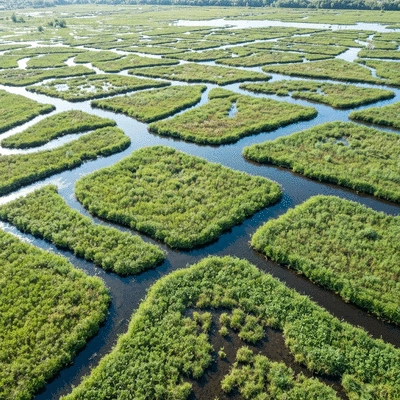
Welcome to the intricate world of wetland restoration! Understanding the wetland restoration permitting landscape is crucial for anyone engaged in this vital work. Wetlands are not just beautiful landscapes; they play an essential role in our ecosystem by providing habitat for wildlife, improving water quality, and helping to mitigate flooding. But restoring these precious areas requires navigating a complex system of regulations and permits.
As an environmental scientist with years of experience, I've seen firsthand how critical it is to grasp the permitting process. This knowledge is not just about legal compliance; it's about ensuring successful restoration outcomes that benefit both nature and communities. Let's dive into what wetland restoration truly entails and its significance.
Defining Wetland Restoration and Its Importance
At its core, wetland restoration involves returning a degraded wetland to its natural or near-natural state. This process can include reestablishing native plant communities, restoring hydrology, and enhancing wildlife habitats. The importance of wetland restoration cannot be overstated—it helps to restore biodiversity and contributes to climate resilience! For example, NOAA Fisheries is involved in large-scale wetland restoration projects in Louisiana to recover coastal habitats and protect communities.
Improves water quality by filtering pollutants
Provides essential habitat for diverse species
Reduces the impact of flooding and erosion
Enhances carbon sequestration to combat climate change
As we work to restore these ecosystems, we contribute to the overall health of our environment and communities. The ripple effects of successful restoration projects can lead to stronger ecosystems and increased community resilience.
The Role of Permits in Wetland Restoration Projects
Permits form the backbone of any wetland restoration project. They ensure that the restoration activities comply with local, state, and federal regulations designed to protect these fragile ecosystems. Without the appropriate permits, even the best-intentioned restoration efforts could be halted or deemed illegal.
Understanding the types of permits required is key. These can vary based on location, project scope, and specific environmental impacts. Common permit categories include those related to water quality, habitat alteration, and land use. Always check with the relevant authorities to ensure compliance! The U.S. Environmental Protection Agency (EPA) provides extensive information on wetlands and the regulations governing them.
Exploring the Wetland Conservation Act: Key Provisions and Goals
The Wetland Conservation Act is a cornerstone of wetland protection in the U.S. It was designed to conserve wetlands and promote sustainable land use practices. Key provisions of this act focus on preventing the drainage of wetlands, encouraging restoration, and enhancing public understanding of wetland values. For instance, the Louisiana Coastal Protection and Restoration Authority (CPRA) outlines programs that align with such conservation goals.
Prevention of unregulated wetland drainage and filling
Encouragement of voluntary restoration projects
Funding opportunities for local conservation efforts
Promotion of partnerships between public and private sectors
By adhering to the guidelines established in this act, we can ensure that wetland restoration projects are both effective and aligned with conservation goals. It's a collaborative effort, and together, we can achieve meaningful results for our wetlands and communities!
In addition to the Wetland Conservation Act, several regulatory frameworks guide wetland restoration efforts. These regulations establish the parameters for permitted activities, ensuring that we do not compromise the ecological integrity of these vital ecosystems. Now, let’s explore some of the key frameworks that govern wetland restoration activities.
Pro Tip
When preparing for a wetland restoration project, consider conducting a stakeholder analysis. This helps identify key players, their interests, and potential concerns early in the process. Engaging with stakeholders from the start can not only streamline the permitting process but also foster community support, ultimately enhancing the success of your restoration efforts.
Reflecting on the Challenges of Navigating Wetland Permits
Navigating the wetland permitting landscape can be daunting, and I've seen firsthand the challenges many professionals face. As we delve into these obstacles, it's essential to identify common pitfalls and explore strategies to avoid them. This proactive approach not only saves time but also enhances project success.
Identifying Common Pitfalls and How to Avoid Them
In my experience, several frequent mistakes can hinder wetland restoration projects. Recognizing these pitfalls early can make a significant difference:
Inadequate Site Assessments: Failing to conduct thorough evaluations can lead to misinterpretations of wetland boundaries.
Poor Communication: Lack of clear dialogue with stakeholders can create misunderstandings and delays.
Neglecting Local Regulations: Overlooking specific state requirements may result in compliance issues and fines.
Underestimating Timeframes: Permitting processes often take longer than anticipated, so it's crucial to factor in additional time.
By being aware of these common challenges, you can take proactive steps to mitigate them, ensuring smoother progress on your restoration project.
Agency Coordination: Working with Local and Federal Entities
Effective agency coordination is vital for successful wetland restoration. Engaging with both local and federal entities ensures that your project aligns with regulatory expectations. Here’s how to facilitate this collaboration:
Start by identifying key agencies involved in wetland management in your area. These may include the U.S. Army Corps of Engineers and local conservation boards.
Establish regular communication to keep stakeholders informed about project developments and address any concerns promptly.
Participate in community meetings to build relationships and foster a cooperative spirit among all parties involved.
Document all interactions and decisions to create a transparent record that can be referenced later.
By nurturing these relationships, you create a strong foundation for your project, leading to better outcomes and fewer regulatory roadblocks.
Frequently Asked Questions About Wetland Restoration Permitting
What is wetland restoration? Wetland restoration involves returning a degraded wetland to its natural or near-natural state, including reestablishing native plant communities, restoring hydrology, and enhancing wildlife habitats.
Why are permits necessary for wetland restoration projects? Permits ensure that restoration activities comply with local, state, and federal regulations designed to protect these fragile ecosystems, preventing illegal or harmful actions.
What is the Wetland Conservation Act? The Wetland Conservation Act is a key piece of legislation aimed at conserving wetlands, preventing their unregulated drainage, encouraging restoration, and promoting sustainable land use practices.
What are common pitfalls in wetland restoration permitting? Common pitfalls include inadequate site assessments, poor communication with stakeholders, neglecting local regulations, and underestimating the timeframes required for permitting processes.
How can I ensure effective agency coordination for my project? Effective coordination involves identifying key agencies early, establishing regular communication, participating in community meetings, and documenting all interactions and decisions.
Why is monitoring important after wetland restoration? Monitoring is crucial for assessing the health and functionality of the restored wetland, allowing for adaptive management, and ensuring ongoing compliance with regulatory requirements.
Taking the Next Steps in Your Wetland Restoration Journey
Once you've addressed the challenges of navigating wetland permits, it's time to look ahead. As someone deeply passionate about wetland conservation, I believe that continuous learning and collaboration are key to success!
Resources for Further Learning on Permits and Legal Requirements
To support your journey, I'm excited to share some invaluable resources that can enhance your understanding of wetland permits:
U.S. Army Corps of Engineers Website: Offers guidance on Section 404 permits and other regulatory frameworks.
Environmental Protection Agency (EPA) Resources: Provides insights into federal regulations and environmental protection guidelines.
State Environmental Agencies: Each state has its own regulations; visiting their websites ensures you stay updated.
Professional Associations: Joining groups focused on wetland restoration can provide access to workshops and networking opportunities.
These resources can empower you to make informed decisions and navigate the complexities of wetland restoration.
Engaging with Experts: Why Consulting Professionals is Key
When it comes to navigating wetland restoration, consulting with experts can be invaluable. Professionals bring a wealth of knowledge and experience that can help you avoid pitfalls and streamline your project. Here’s why it's essential:
Expert Guidance: Professionals can provide insights into complex regulations and best practices.
Efficient Problem-Solving: Experienced consultants can quickly identify issues and propose effective solutions.
Networking Opportunities: Engaging with industry experts can open doors to valuable connections.
Involving professionals in your project not only enhances its chances of success but also fosters a collaborative approach that benefits all parties.
Understanding the Importance of Restoration Project Monitoring
Finally, the journey of wetland restoration doesn't end with project completion. Monitoring is a crucial step that ensures your restoration efforts achieve the desired outcomes. Here’s why it matters:
Assessing Ecosystem Health: Regular monitoring helps evaluate the health and functionality of the restored wetland.
Adaptive Management: Ongoing assessments allow for adjustments to management strategies based on observed conditions.
Compliance with Regulations: Keeping track of project progress helps meet regulatory requirements and maintain permits.
Incorporating a robust monitoring plan into your project will ensure sustainability and foster long-term success in wetland restoration.
Recap of Key Points
Here is a quick recap of the important points discussed in the article:
Wetland restoration is vital for improving biodiversity, water quality, and climate resilience.
Permits are essential for compliance with local, state, and federal regulations in restoration projects.
The Wetland Conservation Act encourages sustainable land use and voluntary restoration projects.
Common pitfalls include inadequate site assessments, poor communication, and neglecting local regulations.
Effective agency coordination enhances project success and mitigates regulatory challenges.
Engaging with experts can provide valuable guidance and networking opportunities.
Monitoring restored wetlands is crucial for assessing ecosystem health and ensuring compliance.
Marina L. Hargrove
Marina L. Hargrove is a dedicated environmental scientist and educator with over a decade of experience in wetland restoration and conservation. With a background in ecology and a passion for sustainable practices, Marina shares her expertise through comprehensive guides and insights aimed at promoting effective habitat design and native plant ecology. Her mission is to empower professionals and enthusiasts alike to contribute to the preservation and restoration of our vital wetland ecosystems.
Wetland Restoration is dedicated to advancing the science and practice of wetland restoration. Our mission is to empower environmental professionals and enthusiasts with comprehensive guides and insights for effective habitat design and native plant ecology.
Start your restoration project by thoroughly assessing existing hydrology. Understanding water flow is fundamental to successful wetland design!
Native plant selection is key! Choose species adapted to local conditions to ensure ecological resilience and minimize maintenance.
Don't overlook soil composition. Healthy soil is the foundation for a thriving wetland ecosystem; test and amend as needed.
Incorporate microtopography. Small variations in elevation create diverse habitats, enriching biodiversity within your restored wetland.
Consider the long-term monitoring plan from the outset. Regular assessment ensures your restoration goals are met and sustained.
Engage local communities! Public involvement can foster stewardship and provide valuable volunteer support for your project.
Think about wildlife corridors. Connecting restored wetlands to existing natural areas can significantly enhance their ecological value.
Manage invasive species proactively. Early detection and removal are critical for preventing them from outcompeting native plants.
Research historical conditions. Understanding the wetland's past can provide crucial insights for guiding its restoration to a natural state.
Secure appropriate permits early in the planning process. Navigating regulations is a vital step for any wetland project.
Embrace adaptive management. Be prepared to adjust your strategies based on monitoring results and changing environmental conditions.
Integrate educational signage. Informing visitors about the wetland's importance fosters appreciation and support for conservation.
Focus on water quality improvements. Wetlands are natural filters; design elements to enhance their capacity to purify water.
Collaborate with experts. Environmental engineers, ecologists, and hydrologists can provide invaluable guidance for complex projects.
Always prioritize ecological function over aesthetics. A truly successful wetland restoration is one that effectively supports biodiversity and ecosystem services!