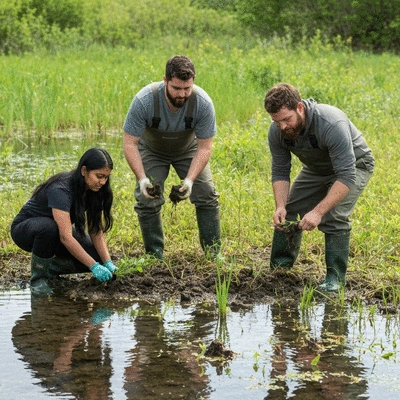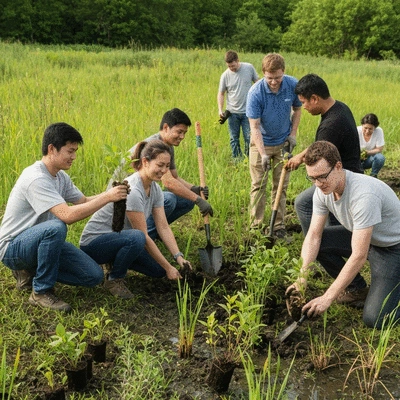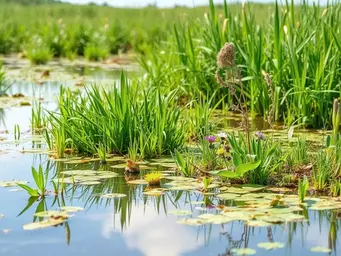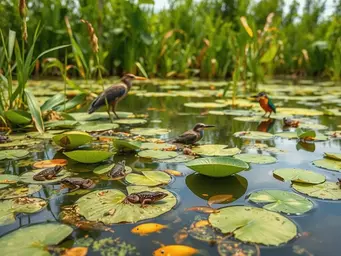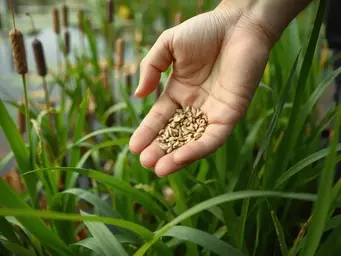
Seed Planting
Advantage: Cost-effective, natural approach, low-impact.
Challenge: May face germination issues and environmental factors.
Cost-effective & Natural
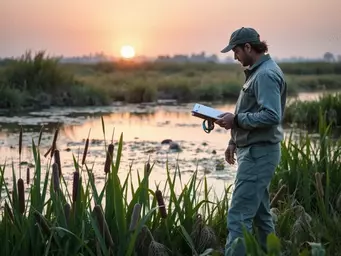
Did you know that wetlands are crucial not only for biodiversity but also for climate resilience? By understanding the importance of wetland restoration, you can contribute to a healthier planet. Let's delve into the key insights from this essential environmental effort.
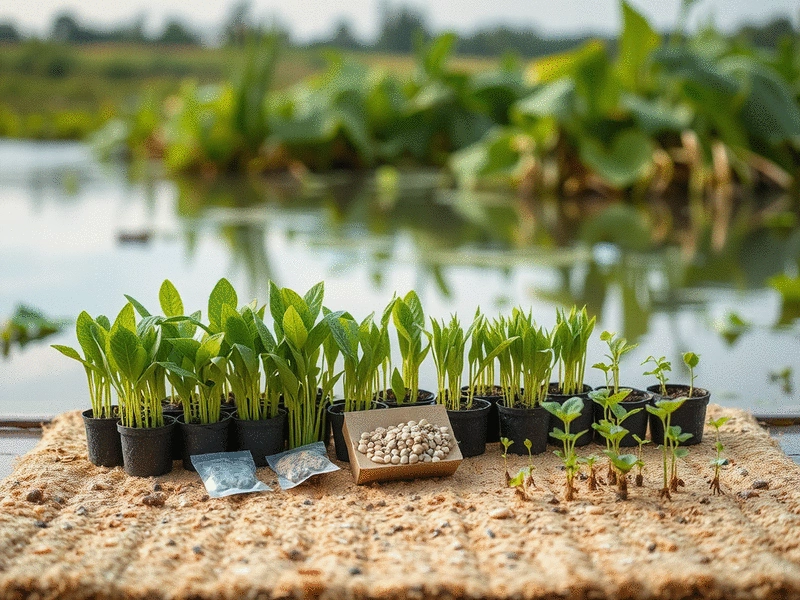
A comparison of common wetland planting methods, highlighting their key characteristics and considerations for successful restoration projects.
Advantage: Cost-effective, natural approach, low-impact.
Challenge: May face germination issues and environmental factors.
Advantage: Rapid establishment, immediate visual results.
Challenge: Requires careful handling to avoid transplant shock.
Advantage: Easier handling, flexible for various projects.
Challenge: Higher costs and increased maintenance needs.
Advantage: Excellent for erosion control and plant support.
Challenge: Effectiveness varies based on environmental conditions.
Wetland restoration is not just an environmental effort; it’s a crucial step toward preserving biodiversity, improving water quality, and enhancing climate resilience. As someone deeply invested in this field, I can tell you that understanding the importance of wetlands is fundamental. These ecosystems serve as natural sponges, absorbing excess rainwater and filtering pollutants, which is vital in today’s changing climate. For a deeper understanding of restoration outcomes, you can explore research on ecological engineering principles in wetland creation.
Moreover, wetland restoration helps restore habitat for countless species, ensuring that our natural world remains vibrant and diverse. But it’s not without challenges! Many factors, such as invasive species and climate change, can hinder restoration efforts, making it essential to approach each project with a comprehensive understanding of the underlying issues. Research highlights the critical role of wetland restoration in mitigating the effects of climate change, further underscoring its importance.
Wetlands play a significant role in maintaining ecological balance. They provide essential services, including:
By restoring wetlands, we can enhance these critical ecosystem services, contributing to a healthier planet for future generations.
Choosing the right planting method is pivotal in wetland restoration projects. The success of a restoration effort often hinges on how well plants can establish and thrive in their new environment. There are various methods to consider, and understanding their strengths can lead to more effective outcomes!
Each method has unique advantages and limitations, which we will explore in the following sections. The right choice can make all the difference in the success of your restoration efforts, as detailed in this study on effective planting strategies in wetland ecosystems.
Utilizing native plant species is one of the most effective ways to ensure success in wetland restoration. Native plants are already adapted to local conditions, making them more resilient to pests and diseases. They also support local wildlife, creating a balanced ecosystem.
Incorporating a diverse array of native plants not only boosts the ecological integrity of restored wetlands but also enhances their functionality and resilience.
Did you know? Utilizing a mix of planting methods can significantly enhance the success of your wetland restoration efforts! By combining seed planting with plug and potted methods, you can create a more resilient habitat that benefits from both immediate establishment and long-term ecological balance.
As we explore various planting methods for wetland restoration, it's important to summarize the advantages and challenges associated with each technique. Understanding these factors can significantly influence the success of your restoration project. Here’s a quick overview:
These considerations can help you make informed decisions about which methods to employ in your specific restoration efforts. Each technique has its unique benefits, but they also come with challenges that you need to navigate.
Choosing the best planting method for your wetland restoration project depends on numerous factors, including site conditions, budget, and the specific ecological goals you aim to achieve. Reflecting on my own experiences at Wetland Restoration, I often find that a combination of techniques yields the best results!
Here are some points to think about when making your selection:
By carefully weighing these factors, you can choose a method that not only meets your budget but also aligns with your ecological ambitions. Remember, the right choice can make a significant difference in the success of your restoration efforts!
Wetland restoration is not just about planting; it’s also about building a community of advocates and learners. I encourage you to share your experiences, as your stories can inspire others in their restoration journeys.
Have you embarked on a wetland restoration project? If so, I would love to hear about it! Sharing your success stories helps us all learn and grow together in this vital field. Consider sharing:
Your insights can empower others and promote collaborative learning within the community.
At Wetland Restoration, we strive to provide valuable resources that can help you deepen your understanding of wetland ecosystems. I recommend checking out our comprehensive guides and project profiles that focus on a variety of topics, from hydrology to habitat design. These resources are designed to support your journey toward effective restoration.
Lastly, let’s not underestimate the power of community in our restoration efforts! Engaging local volunteers, educators, and organizations can enhance the impact of your project. Here are some ways to cultivate community involvement:
When we come together as a community, we not only strengthen our restoration projects but also foster a shared commitment to preserving our vital wetland ecosystems for future generations. Let’s keep the conversation going and work together to make a difference!
Here is a quick recap of the important points discussed in the article:
Marina L. Hargrove is a dedicated environmental scientist and educator with over a decade of experience in wetland restoration and conservation. With a background in ecology and a passion for sustainable practices, Marina shares her expertise through comprehensive guides and insights aimed at promoting effective habitat design and native plant ecology. Her mission is to empower professionals and enthusiasts alike to contribute to the preservation and restoration of our vital wetland ecosystems.