As we face increasing environmental challenges, the need for effective habitat restoration becomes paramount. What if your actions could directly influence the health of ecosystems and contribute to biodiversity? Discover how restoring pollinator and wildlife habitats not only nurtures nature but also bolsters our communities.
What You Will Learn
The critical role of native wetland plants in supporting biodiversity and ecosystem health.
How pollinator habitats enhance ecological services essential for food production.
The importance of habitat connectivity and community involvement in supporting pollinators.
Essential steps for successful habitat restoration, including site assessments and sustainable practices.
Ways to engage in local restoration efforts and contribute to environmental sustainability.
Key Steps for Successful Habitat Restoration
A successful habitat restoration project requires a systematic approach. The visual below outlines the five essential phases for effective restoration, from initial assessment to long-term management.
1
Phase 1
Comprehensive Site Assessment
Understand existing conditions and specific needs.
2
Phase 2
Native Plant Selection
Choose plants suited for the region and pollinators.
3
Phase 3
Sustainable Landscaping
Implement practices for soil health and water quality.
4
Phase 4
Systematic Implementation
Prepare site and use effective planting techniques.
5
Phase 5
Long-term Management
Maintain the health of the restored habitat over time.
Understanding the Importance of Restoring Pollinator and Wildlife Habitat
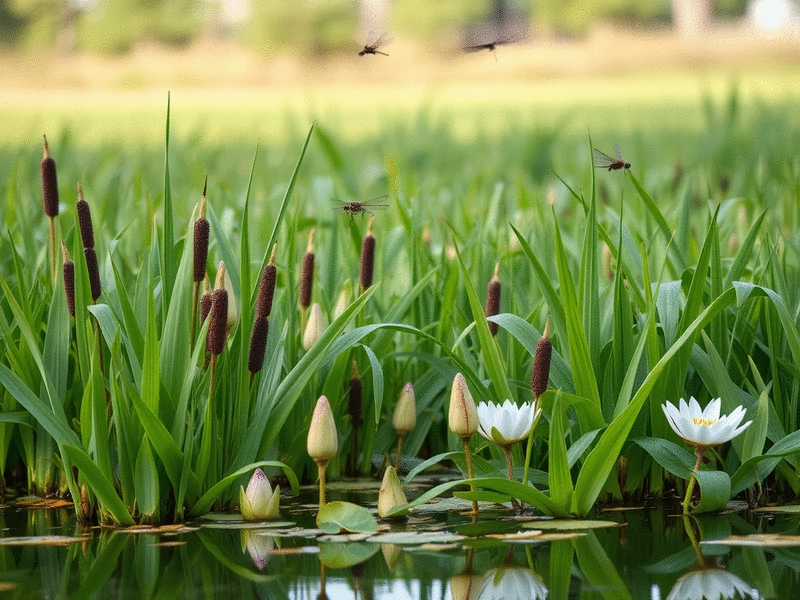
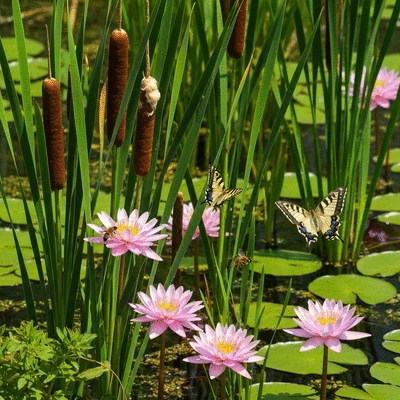
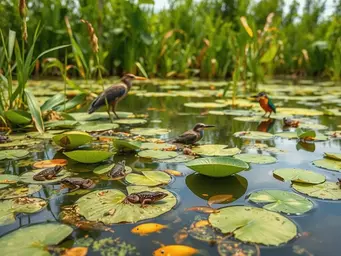
Restoring pollinator and wildlife habitats is vital for maintaining biodiversity and ecological balance. At Wetland Restoration, we understand that native wetland plants play a crucial role in these ecosystems. They support a variety of species, improve water quality, and provide essential habitats for pollinators like bees and butterflies.
By focusing on native plants, we can create thriving landscapes that not only enhance biodiversity but also promote ecosystem health. These plants are adapted to local conditions, making them more resilient and effective in supporting the wildlife that relies on them.
Why Native Wetland Plants Matter for Ecosystems
Native wetland plants are the backbone of healthy ecosystems. They contribute to biodiversity by offering food and shelter for various species, which in turn supports the food web. Here are some key functions of native wetland plants:
Supporting Biodiversity: They provide habitat for insects, birds, and mammals, fostering a rich community of life.
Improving Water Quality: They filter pollutants and reduce runoff, ensuring cleaner water for wildlife and human use. The EPA's Watershed Protection Program highlights how these natural systems are crucial for water resource management.
Stabilizing Soils: Their root systems prevent erosion and maintain the integrity of the wetland.
Each of these functions is interconnected, creating a robust system that supports both wildlife and the overall health of the environment. By restoring these habitats, we can enhance their natural benefits and promote a sustainable ecosystem.
The Benefits of Restoring Pollinator Habitat
Enhancing pollinator habitats brings a host of ecological and economic benefits. Pollinators are essential for the reproduction of many plants, including numerous crops. Here are some advantages of restoring these habitats:
Erosion Control: Healthy pollinator habitats can help stabilize soil and prevent erosion.
Enhanced Ecosystem Services: They support natural processes like pollination, which is vital for food production. Research published in Frontiers in Environmental Science further emphasizes the critical role of these services.
Increased Biodiversity: Diverse habitats can support a wider variety of pollinators, promoting a more resilient ecosystem.
As we work to restore these essential ecosystems, we also contribute to the economy by supporting agricultural productivity and local businesses that rely on healthy environments.
The Role of Pollinator Gardens in Enhancing Biodiversity
Pollinator gardens are a fantastic way to support various species and improve habitat connectivity. These gardens serve as sanctuaries for pollinators, providing them with food and shelter while also enriching the local ecosystem. Here’s how pollinator gardens enhance biodiversity:
Providing Resources: They offer a variety of flowering plants that bloom at different times, ensuring a steady food supply throughout the growing season.
Improving Habitat Connectivity: By planting pollinator gardens in strategic locations, we can create corridors that facilitate movement and migration.
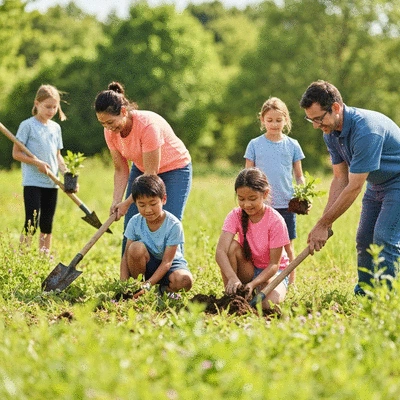
Encouraging Community Involvement: These gardens can foster local stewardship, encouraging residents to engage with their environment.
At Wetland Restoration, we believe that every garden can make a difference. By creating these vibrant spaces, we not only support our pollinators but also strengthen the fabric of our ecosystems.
Essential Steps for Successful Habitat Restoration
To effectively restore habitats, we need a clear plan. Here are some essential steps to guide your restoration efforts:
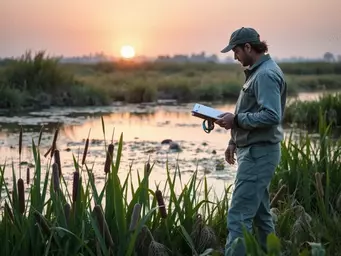
Conduct thorough site assessments to understand existing conditions.
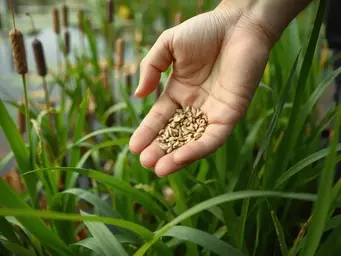
Choose the right native wetland plants that are suited for your region.
Implement sustainable landscaping practices that support soil health.
By following these steps, you can lay a strong foundation for a successful habitat restoration project, ensuring that your efforts yield lasting benefits for both wildlife and the environment.
Pro Tip
Did you know? Including a variety of native flowering plants in your restoration project not only supports pollinators but also enhances soil health and improves water quality. A diverse plant palette can attract different pollinator species, creating a more resilient ecosystem that thrives over time.
Frequently Asked Questions About Habitat Restoration
What is the primary goal of habitat restoration?
The primary goal of habitat restoration is to re-establish and maintain the biodiversity and ecological balance of an area, often by reintroducing native plants and supporting wildlife, especially pollinators.
Why are native wetland plants important for ecosystems?
Native wetland plants are crucial because they provide habitat, food, and shelter for various species, improve water quality by filtering pollutants, and stabilize soils to prevent erosion, thereby supporting a robust ecosystem.
How do pollinator habitats benefit the environment and economy?
Pollinator habitats enhance ecosystem services like pollination, which is vital for food production and agricultural productivity. They also help control erosion and increase overall biodiversity, contributing to ecological resilience and supporting local economies.
What role do pollinator gardens play in habitat restoration?
Pollinator gardens provide essential food and shelter for pollinators, improve habitat connectivity by creating ecological corridors, and encourage community involvement in local stewardship efforts.
What are the key steps for a successful habitat restoration project?
Restoring pollinator and wildlife habitats is an essential step in protecting our ecosystems. To make your restoration project successful, it's important to follow a few key steps. Here’s a quick recap of what we discussed:
Conduct a comprehensive site assessment to understand existing conditions and identify specific needs.
Choose the right native wetland plants that are well-suited for your region and will attract pollinators.
Implement sustainable landscaping practices to enhance soil health and ensure water quality.
Follow a systematic implementation phase that includes site preparation and effective planting techniques.
Employ long-term management strategies to maintain the health of your restored habitat over time.
By focusing on these essential steps, you can create a thriving habitat that supports biodiversity and enhances the natural beauty of our landscapes. Remember, native wetland plants not only provide vital resources for pollinators but also contribute to the overall health of our ecosystems!
Get Involved: Your Role in Habitat Restoration
Now that you understand the importance of habitat restoration, it’s time to take action! There are many ways you can contribute to local restoration efforts. Here are some suggestions:
Volunteer with local conservation groups or environmental organizations that focus on wetland restoration.
Start your own restoration project in your community by planting native species in your yard or local green spaces.
At Wetland Restoration, we believe that everyone has a role to play in preserving our vital ecosystems. Whether you're planting a small garden or leading a larger community initiative, every effort counts! Join us in making a difference for our wetlands and the wildlife that depend on them.
Recap of Key Points
Here is a quick recap of the important points discussed in the article:
Conduct a comprehensive site assessment to understand existing conditions and identify specific needs.
Choose the right native wetland plants that are well-suited for your region and will attract pollinators.
Implement sustainable landscaping practices to enhance soil health and ensure water quality.
Follow a systematic implementation phase that includes site preparation and effective planting techniques.
Employ long-term management strategies to maintain the health of your restored habitat over time.
Marina L. Hargrove
Marina L. Hargrove is a dedicated environmental scientist and educator with over a decade of experience in wetland restoration and conservation. With a background in ecology and a passion for sustainable practices, Marina shares her expertise through comprehensive guides and insights aimed at promoting effective habitat design and native plant ecology. Her mission is to empower professionals and enthusiasts alike to contribute to the preservation and restoration of our vital wetland ecosystems.
Wetland Restoration is dedicated to advancing the science and practice of wetland restoration. Our mission is to empower environmental professionals and enthusiasts with comprehensive guides and insights for effective habitat design and native plant ecology.
Start your restoration project by thoroughly assessing existing hydrology. Understanding water flow is fundamental to successful wetland design!
Native plant selection is key! Choose species adapted to local conditions to ensure ecological resilience and minimize maintenance.
Don't overlook soil composition. Healthy soil is the foundation for a thriving wetland ecosystem; test and amend as needed.
Incorporate microtopography. Small variations in elevation create diverse habitats, enriching biodiversity within your restored wetland.
Consider the long-term monitoring plan from the outset. Regular assessment ensures your restoration goals are met and sustained.
Engage local communities! Public involvement can foster stewardship and provide valuable volunteer support for your project.
Think about wildlife corridors. Connecting restored wetlands to existing natural areas can significantly enhance their ecological value.
Manage invasive species proactively. Early detection and removal are critical for preventing them from outcompeting native plants.
Research historical conditions. Understanding the wetland's past can provide crucial insights for guiding its restoration to a natural state.
Secure appropriate permits early in the planning process. Navigating regulations is a vital step for any wetland project.
Embrace adaptive management. Be prepared to adjust your strategies based on monitoring results and changing environmental conditions.
Integrate educational signage. Informing visitors about the wetland's importance fosters appreciation and support for conservation.
Focus on water quality improvements. Wetlands are natural filters; design elements to enhance their capacity to purify water.
Collaborate with experts. Environmental engineers, ecologists, and hydrologists can provide invaluable guidance for complex projects.
Always prioritize ecological function over aesthetics. A truly successful wetland restoration is one that effectively supports biodiversity and ecosystem services!