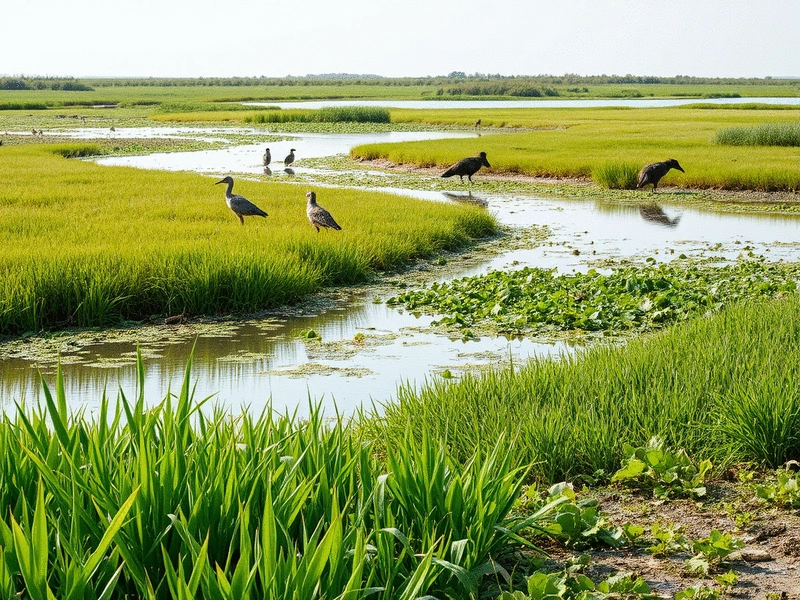
Enhancing Biodiversity
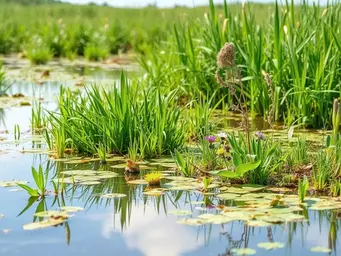
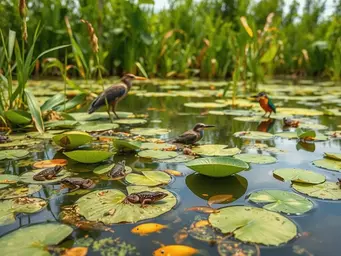
Restore and support native species to improve ecological balance.
Have you ever considered how wetlands serve as the lifeblood of our ecosystems? These diverse habitats not only support a myriad of species but also offer invaluable services that benefit human communities. Understanding the intricacies of wetland restoration can empower you to contribute to their preservation and revitalization.
This visual highlights the main objectives and benefits derived from successful wetland restoration projects.
Restore and support native species to improve ecological balance.
Utilize natural processes to filter pollutants and sediments.
Ensure water flow and levels mimic natural conditions.
Wetlands absorb excess water during heavy rainfall, reducing flood risks.
They filter pollutants, improving water quality for downstream users.
Wetlands capture and store carbon, helping mitigate climate change.
Wetland restoration is not just about replanting native species; it involves a deeper understanding of how ecological diversity contributes to the health of these vital ecosystems. As someone passionate about preserving wetlands, I often emphasize the significance of maintaining a variety of plant and animal life. Diverse ecosystems are more resilient, adapting better to changes in climate and human impact. This is why our efforts at Wetland Restoration focus on not only restoring habitats but also enhancing their ecological integrity. You can find more information on the biodiversity and functioning of restored wetlands here.
In the context of wetlands, biodiversity ensures that different species can fulfill their roles, from nutrient cycling to pollination. For instance, specific plants can stabilize soil while others provide food and habitat for wildlife. By fostering such variety, we can create a thriving ecosystem that benefits both nature and communities.
Ecological diversity plays a critical role in the functionality of wetland ecosystems. When we restore wetlands, we aim to create a balanced environment where different species coexist and support one another. Here are some key reasons why ecological diversity matters:
By understanding these factors, we can design restoration projects that prioritize not just the restoration of species, but also the creation of a balanced ecosystem. This approach ensures that restored wetlands can function effectively over the long term.
When embarking on a wetland restoration project, we establish clear goals to guide our efforts. These goals help us maintain focus and measure success. Some of the main objectives include:
As we work towards these goals, I often encourage others to think about the broader impacts of restoration. Each project can serve as both a habitat for wildlife and a resource for human communities, providing flood protection and recreational opportunities.
Restored wetlands provide numerous ecosystem services that benefit both the environment and local communities. Understanding these services is vital when advocating for wetland restoration initiatives. Here are some key services:
Each of these services highlights the importance of wetlands in our ecosystem. As an environmental scientist, I strive to communicate these benefits to stakeholders, ensuring that restoration projects receive the support they need to succeed and thrive.
Did you know? Engaging local communities in wetland restoration projects not only enhances biodiversity but also fosters a sense of stewardship. Involve schools, local organizations, and volunteers to create a more impactful restoration effort. The more hands and minds involved, the greater the success of the project!
As we wrap up our exploration of wetland restoration, it's important to reflect on the essential components that shape successful projects. Throughout our journey, we have seen how effective basin shaping and shoreline restoration are pivotal to reviving these vital ecosystems. By focusing on ecological diversity and sustainable practices, we can create habitats that not only thrive but also contribute to the greater environmental health.
In particular, I have found that understanding and incorporating the various elements of wetland restoration can lead to incredible outcomes. Here are a few key takeaways from my experience:
By remembering these principles, we can ensure that our restoration efforts resonate through time, benefiting both wildlife and our communities.
As I reflect on the techniques discussed, it's clear that shaping basins and shorelines is a vital part of the restoration process. Whether you're implementing tile break techniques or creating gradual slopes, each action contributes to the overall health of the wetland. Here are some notable strategies that have proven successful:
These strategies not only improve the habitat but also enhance the resilience of the wetland against environmental changes.
Ecological diversity is at the heart of any successful wetland restoration project. The variety of plant and animal species contributes to a balanced ecosystem, making it crucial to prioritize native species. Having worked in this field for over a decade, I've witnessed firsthand how a diverse plant community can bolster the resilience of the entire ecosystem. Research highlights that a high level of biodiversity and ecological function are crucial for successful wetland restoration. Here are the primary benefits:
By fostering ecological diversity, we can create thriving wetland habitats that serve as sanctuaries for wildlife and safeguard our environment.
Climate resilience is a critical consideration in our restoration efforts. Restored wetlands can provide significant benefits in mitigating climate change effects, such as flooding and erosion. Through my work at Wetland Restoration, I have seen how these ecosystems can act as natural buffers. We must consider their role in climate adaptation while planning restoration projects. Recent studies, such as one on ecological engineering approaches to enhance climate resilience, further emphasize the importance of these ecosystems:
Ultimately, our restoration efforts not only revive ecosystems but also contribute to a more resilient environment for future generations.
Now that we’ve explored the essentials of wetland restoration, it’s time to consider how we can engage our communities in these vital efforts. As someone who believes in the power of collective action, I encourage everyone to get involved. Here’s how you can start:
Your involvement can make a significant difference, fostering stewardship and promoting sustainable practices within your community!
For those eager to expand their knowledge, a wealth of resources is available. From workshops to online courses, you can deepen your understanding of wetland restoration techniques. I encourage you to explore:
These resources can provide invaluable insights and equip you with the knowledge needed to contribute effectively to restoration projects.
Finally, raising public awareness is crucial for fostering community involvement. As advocates for wetland preservation, we can lead by example. Consider organizing local events or social media campaigns to spread the word about the importance of wetlands. Here are some ideas to help promote awareness:
By actively engaging our communities, we can inspire collective efforts toward preserving and restoring our precious wetland ecosystems.
Here is a quick recap of the important points discussed in the article:
Marina L. Hargrove is a dedicated environmental scientist and educator with over a decade of experience in wetland restoration and conservation. With a background in ecology and a passion for sustainable practices, Marina shares her expertise through comprehensive guides and insights aimed at promoting effective habitat design and native plant ecology. Her mission is to empower professionals and enthusiasts alike to contribute to the preservation and restoration of our vital wetland ecosystems.