Benefits of Effective Wetland Management
- Increased Biodiversity
- Improved Ecosystem Resilience
- Enhanced Recreational Opportunities
- Natural Water Filtration
- Flood Regulation
As we navigate the complexities of our natural world, one question resonates: How do we effectively manage and restore the vital ecosystems that support our wildlife? The answer lies in understanding the intricate relationships within seasonal wetlands and their role in biodiversity.
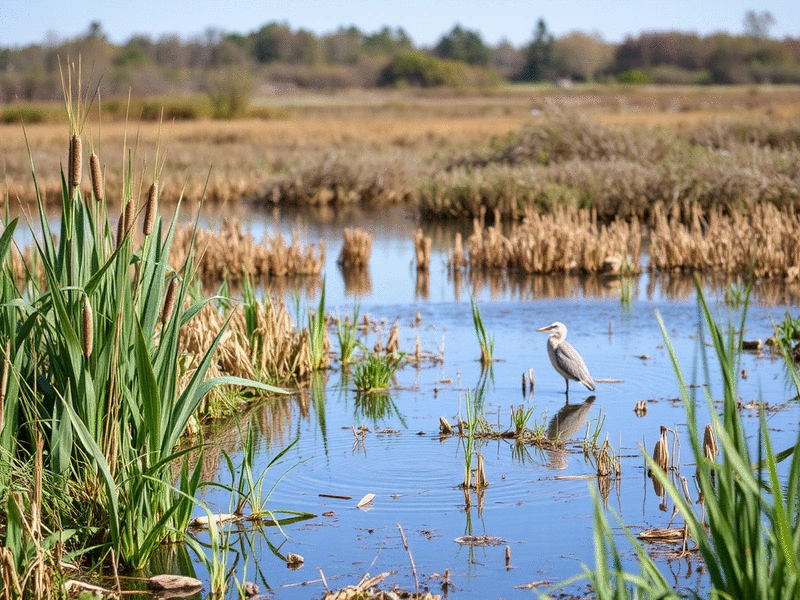
This visual highlights the core benefits and strategic goals of effective seasonal wetland management, crucial for ecological health and biodiversity.
Seasonal wetlands are unique ecosystems that play a crucial role in maintaining biodiversity and supporting various wildlife species. These wetlands undergo cyclical changes in water levels, influencing the types of habitats available throughout the year. Understanding their ecological significance is essential for effective management and restoration efforts, as highlighted by the USDA's Wetland Restoration Criteria & Guidelines.
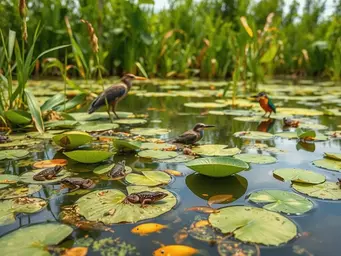
These wetlands serve as vital refuges for migratory birds, aquatic plants, and numerous amphibians. They act as natural filters for water quality, mitigate flooding, and provide essential habitat for a multitude of species. As I dive deeper into the world of wetland restoration, I often reflect on the interconnectedness of these ecosystems and their surrounding environments.
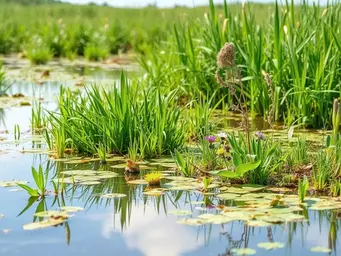
Seasonal wetlands are defined by their temporary flooding, typically occurring in winter and spring, followed by drying periods in summer and fall. This dynamic environment supports an incredible diversity of life, from fish and insects to birds and mammals. They are particularly important because they provide breeding and feeding grounds for many species.
As we recognize the importance of these areas, we can better appreciate the ecological services they provide. Management practices targeting these wetlands can enhance their functionality and ensure their longevity for future generations. Further insights into these valuable practices can be found in the Guiding Principles for Wetland Stewardship and Forest Management.
Effective wetland management not only enhances habitat quality but also supports the overall health of ecosystems. By implementing sustainable practices, we create environments that foster biodiversity and enable wildlife to thrive. Through my experience, I have seen firsthand the positive impacts of thoughtful restoration efforts.
Through these benefits, we can promote a thriving ecosystem that not only supports wildlife but enriches the community’s connection to nature. As restoration advocates, we should continuously seek innovative strategies to enhance our wetland management practices.
Ecosystem services are the benefits humans derive from natural systems, and seasonal wetlands provide many critical services. From carbon sequestration to water purification, these functions are vital for maintaining ecological balance. Understanding these services can guide our management decisions and foster sustainable practices, as detailed in the EPA's Wetland Program Development Grants documentation.
By recognizing the importance of ecosystem services, we can advocate for practices that prioritize the health of seasonal wetlands. These insights drive our mission at Wetland Restoration to promote effective management strategies that support both wildlife and human needs.
As you consider the various aspects of wetland management, we want to know your thoughts! What do you believe is the most pressing challenge facing seasonal wetlands today? Share your opinion in the poll below:
As we strive for effective wetland management, it's essential to establish clear long-term goals that prioritize sustainability. Setting realistic expectations for habitat quality improvements helps align our restoration efforts with the ecological needs of the wetlands. By focusing on achievable outcomes, we can foster a sense of progress and motivation within our communities.
Consider asking yourself: What specific goals do we want to reach? They could include enhancing biodiversity, improving water quality, or increasing native plant populations. Each of these goals contributes to the overall health of the wetland ecosystem, ensuring its resilience for future generations!
When outlining your wetland management goals, it's crucial to consider the timeframe and scope of your projects. Setting realistic expectations allows for incremental improvements while acknowledging the complex nature of ecological systems. Here are a few common goals to consider:
By establishing these tangible benchmarks, we can better track progress and motivate ongoing efforts. Remember, patience is key in wetland restoration—change may take time, but every small step counts toward a healthier ecosystem!
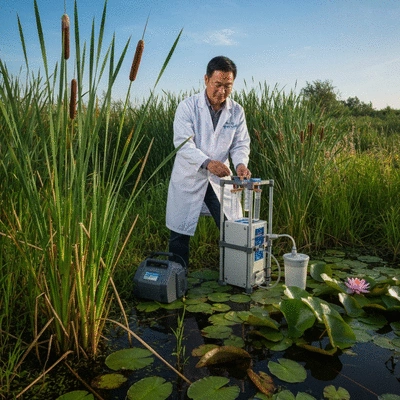
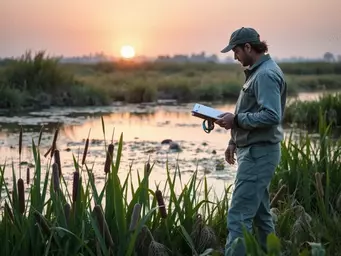
Monitoring is an essential aspect of sustainable wetland management. A well-structured monitoring protocol ensures that we can evaluate the effectiveness of our strategies and make necessary adjustments. As someone deeply committed to wildlife conservation, I recommend focusing on the following components in your monitoring plan:
By implementing these evaluations, we not only enhance our understanding of wetland dynamics but also create a data-driven approach to management. Engaging volunteers or local schools in these monitoring efforts can also foster community involvement and education!
Soil health is a vital indicator of the overall well-being of wetland ecosystems. Healthy soil supports robust plant growth and facilitates nutrient cycling, which is essential for sustaining life in these habitats. Regular soil assessments can help identify areas needing improvement. I often encourage the following practices:
By prioritizing soil health, we not only enhance the habitat quality but also build a more resilient wetland ecosystem. This approach aligns perfectly with our mission at Wetland Restoration to promote sustainable practices that will benefit both wildlife and future generations!
Here is a quick recap of the important points discussed in the article:
Marina L. Hargrove is a dedicated environmental scientist and educator with over a decade of experience in wetland restoration and conservation. With a background in ecology and a passion for sustainable practices, Marina shares her expertise through comprehensive guides and insights aimed at promoting effective habitat design and native plant ecology. Her mission is to empower professionals and enthusiasts alike to contribute to the preservation and restoration of our vital wetland ecosystems.